
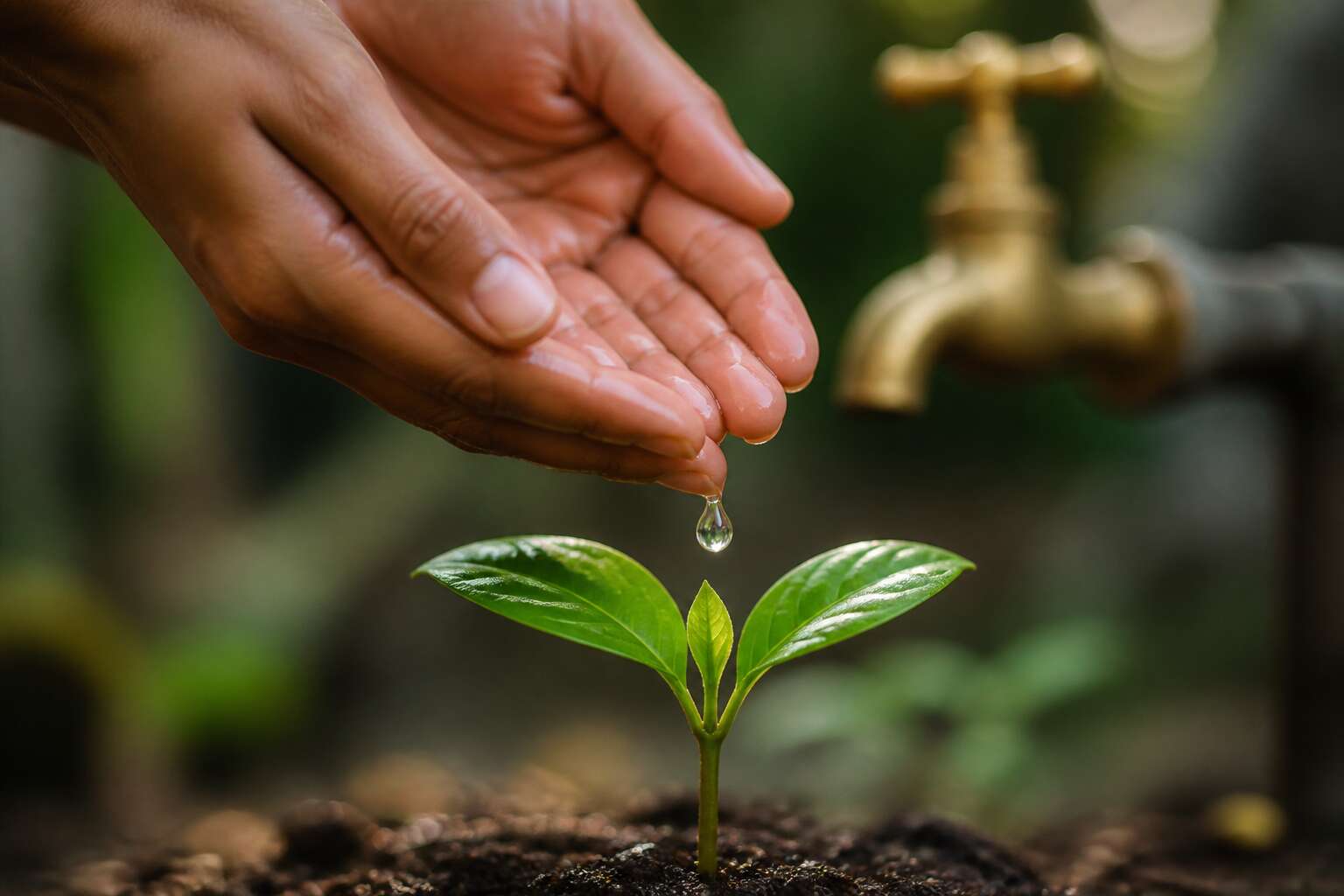
The Urgency of Reducing Household Water Footprint
Global Water Stress and Local Impacts
Thirty percent of South Africa’s water is lost to leaks and illegal connections each year. That statistic should sting because it represents a resource crisis unfolding in real time. Households in Cape Town remember the Day Zero threat, but the pressure on supply is now a national condition. The Vaal River system and the Western Cape’s dams operate under constant strain, and the situation is not abstract. It touches your morning shower, your garden, and your ability to wash your car without guilt.
The local impact is tangible. Municipal infrastructure struggles to keep pace with demand, and ageing pipes waste precious litres before they ever reach your tap. When a region runs dry, the consequences compound quickly. Think of the economic drag on agriculture, the rising cost of water bills, and the social tension over access. The current state of affairs demands shifts at every level, including the small, daily decisions made in kitchens and bathrooms across the country. Changing one’s water saving habits is not a matter of mere thrift; it is a direct response to a system under siege. The etiquette of mindful consumption is becoming the only acceptable social grace.
Financial Savings from Lower Utility Bills
The numbers on your utility bill tell a story, and for most South African households, it is one of creeping expense and invisible waste. We have already examined the strain on our national water infrastructure and the daily realities of living with restricted supply. But the most compelling argument for change is a personal one: the direct financial impact of every single drop that disappears down the drain.
When a tap drips once per second, you are losing more than just a precious resource. Over a month, that minor leak can amount to over 2,600 litres of water. Multiplied across a year, this negligence translates directly into hundreds of rand flushed away. The urgency to reduce our domestic consumption is no longer solely about environmental stewardship; it is a proactive strategy for protecting your household budget against the relentless increases in municipal tariffs.
Shifting your daily routine to incorporate effective water saving habits is the most straightforward way to see immediate relief on your next statement.
– Shorten your showers to under four minutes; a standard showerhead uses up to 12 litres per minute.
– Install aerators on your taps to reduce the flow without compromising water pressure.
– Only run your washing machine and dishwasher with full loads, selecting the eco-cycle when available.
– Collect the cold water that runs while you wait for the hot water to arrive, and use it to water your plants.
The investment in these habits yields a dual return. You conserve a vital national resource, but more importantly for your immediate financial health, you lower your monthly overheads. This is not about enduring a crisis, but about adopting a smarter, more cost-effective lifestyle. The water you save is money you retain, creating a buffer against the rising cost of living. By taking control of your consumption today, you are making a tangible investment in your family’s financial resilience for the future.
Environmental Benefits for Ecosystems
Every litre saved in your home creates a ripple that extends far beyond your property line. When households adopt water saving habits, the demand on our rivers, dams, and groundwater reserves drops. This directly translates into steadier water levels in natural habitats, which is critical for the survival of indigenous fish species and the wetland ecosystems that depend on consistent flows. Reduced extraction means less energy is consumed for pumping and purification, lowering the carbon footprint of your water supply.
The environmental benefits of deliberate consumption are tangible and measurable:
– Decreased strain on sewage treatment facilities, reducing the risk of untreated overflow into rivers.
– Preservation of aquatic breeding grounds for birds and amphibians.
– Lower energy demand for water heating, which cuts household emissions.
– Protection of soil quality by preventing over-irrigation and saline buildup in gardens.
By treating water as a finite resource rather than an infinite convenience, you help maintain the ecological balance that sustains South Africa’s unique biodiversity. Your daily choices become a quiet force for conservation.
The Ripple Effect of Daily Choices
The Urgency of Reducing Household Water Footprint
Globally, we stand at a precipice. While the previous benefits are clear, the deeper truth is that our reservoirs are not just low; they are, in many regions, critically depleted. This is no longer a distant forecast, but a present reality. The time to adopt deliberate water saving habits is not tomorrow, but today, because every passing moment of neglect accelerates the crisis.
Consider the direct consequences of unchecked usage. When we consume beyond what nature can replenish, we force municipalities into drastic measures. The impact on daily life becomes immediate and personal.
– Increased frequency of scheduled water shedding, disrupting work and family routines.
– Higher municipal tariffs as the cost of sourcing and treating water rises exponentially.
– Diminished water pressure in our taps, rendering simple tasks like showering or gardening frustratingly slow.
We often joke about the rain, but the specter of Day Zero is real in many regions. The urgency is not about fear; it is about foresight. By embedding conservative water saving habits into our daily rhythm, we actively slow the depletion rate, buying vital time for infrastructure and nature to recover. Your mindful choice to shorten a shower is a direct vote against scarcity. It is a small, daily act of resilience that protects our collective future.
Indoor Efficiency: Everyday Habits in the Home
Optimizing Bathroom Routines
The ordinary bathroom is a theatre of water waste. A running tap during toothbrushing can waste six litres per minute, while a hissing toilet cistern leaks without a word. These moments add up into stealthy habits that erode your monthly water bill and the reservoir behind it.
I once timed my own shower and discovered I had been power-washing myself for eleven glorious minutes. That’s roughly 120 litres down the drain. Swapping that epic soak for a five minute rhythm demands discipline, a cornerstone of water saving habits.
- turn off the tap while lathering your hands or scrubbing your face
- catch cold shower water in a bucket for your garden
- insulate your geyser to speed up hot water arrival
These water saving habits feel small, yet they shift your household’s entire water ledger. A shorter shower, a tightened valve, a vigilant eye on the cistern: each one chips away at the silent drain.
Kitchen Practices That Prevent Waste
The kitchen is a curious place. It holds the power to nourish, to gather, and, if we aren’t careful, to drain. While we often focus on the obvious culprits, the true waste often hides in plain sight. A slow drip from a loose tap is more than an annoyance; that single leak can cascade into thousands of litres lost over a year. Fixing a washer or swapping a worn valve is one of the most effective water saving habits you can adopt.
Beyond the plumbing, the way we prepare food offers subtle opportunities. Instead of running the tap to rinse vegetables, fill a basin with cool water and swish them clean. That same water, cloudy with soil, can be poured directly onto your potted plants or herbs on the windowsill. Let’s not forget the kettle. Boiling a full jug for a single cup of tea is a classic culprit. Measure the water you need, and you will save both water and the electricity required to heat it.
To make this flow easier, consider these small shifts:
1. Keep a dedicated bowl in the sink to catch the cold water that runs while you wait for the hot tap to warm up.
2. Defrost frozen goods in the fridge overnight, not under a running stream of water.
3. Wipe down surfaces with a damp cloth instead of spraying and rinsing them down.
Finally, think about your dishwasher. If you use one, run it only when it is completely full. It often uses less water than handwashing a mountain of dishes, but only with full loads. What about the steam from your pots? Lowering the heat to a gentle simmer keeps moisture in and reduces waste. In a country where every drop matters, these small, deliberate acts—these water saving habits—turn the kitchen into a place of conservation, not depletion.
Laundry and Cleaning Adjustments
In South Africa, the average front loader demands fifty litres per cycle, yet most households run half full machines out of convenience. Waiting for a proper load and engaging the eco setting can halve that demand. Similarly, the washing machine’s rinse water, if diverted, can serve toilet flushing or outdoor plants, a practical water saving habit.
For household cleaning, a spray bottle with diluted vinegar replaces the endless rinsing of rags. Mopping water, once dark with grime, still holds value for cleaning garbage bins or scrubbing the garage floor. I have learned to keep a dedicated bucket for this purpose!
- Pre-soak stained garments in a basin, not under a running tap.
- Capture the final rinse from laundry for mopping.
- Use a microfiber cloth with a small bowl of water for mirrors and glass.
These water saving habits hinge on a simple awareness: every litre we redirect or reuse extends the country’s fragile supply. The act of scrubbing a stain becomes a calculation of volume, and the hum of the washing machine turns into a soundtrack of conservation.
Quick Fixes for Leaky Faucets and Toilets
A single leaking toilet in a South African home can waste over a thousand litres a day, a volume vanishing into plumbing while reservoirs shrink. These losses occur outside the bathroom and kitchen routines we have covered; they hide in joints, valves, and worn washers.
The causes are mundane yet fixable. High municipal water pressure weakens rubber seals, and corroded tap fittings weep steadily. I have discovered drips in the garden corner that ran for months, unnoticed because the grass absorbed the evidence.
Discerning the culprits requires simple observation.
- Drop a food colouring tablet into the toilet tank and wait. A coloured bowl reveals a silent flapper leak.
- Feel the edge of a tap with your fingertip after closure. Cold moisture indicates a drip.
- Listen to pipes during the quietest hours of the night for the hiss of water movement.
Replacing a washer costs less than ten rand and prevents thousands of litres from escaping. To inspect one’s home in this way is to internalise a critical water saving habit, transforming passive consumption into an active audit of every litre.
Outdoor and Garden Water Management
Smart Irrigation Scheduling
Many South African gardens consume a staggering amount of water, often more than we realize. When the summer sun bears down, it is tempting to let the sprinkler run, but this frequently leads to runoff and wasted resources. Adopting water saving habits in your outdoor space starts with understanding that your lawn and plants do not need daily drenching; they need deep, infrequent watering that encourages robust root growth.
Smart irrigation scheduling is the cornerstone of a resilient garden. By using a weather-based controller, your system can automatically adjust to local rainfall and temperature shifts. This technology prevents the common mistake of watering during a downpour or on a windy day, ensuring that every drop reaches the roots where it is needed most.
To get the most from your system, consider these practical adjustments:
- Water early in the morning to reduce evaporation losses.
- Group plants with similar water needs on the same zone.
- Inspect sprinkler heads regularly for blockages or misalignment.
These steps are simple, yet they transform your irrigation from a reactive chore into a precise, efficient process. Investing in soil moisture sensors can also provide real-time data, taking the guesswork out of your schedule.
Ultimately, cultivating these water saving habits in your garden not only lowers your municipal bill but also shields your plants from the stress of drought. It is a proactive approach that keeps your outdoor sanctuary vibrant and sustainable, even through the driest months. With each thoughtful adjustment, you conserve a precious resource while nurturing a landscape that thrives.
Native and Drought-Resistant Landscaping
South Africa’s climate demands a thoughtful approach to outdoor spaces. The days of lush, water-thirsty lawns are fading, replaced by a more intelligent aesthetic that works with nature. Shifting your landscape to feature endemic plants is the first step toward a garden that not only survives but thrives. These indigenous species have evolved to handle local rainfall patterns, requiring far less intervention from your hose or irrigation system. This change reduces your municipal water reliance while creating a vibrant habitat for local birds and insects.
A successful water saving habits strategy involves more than just swapping out plants. It requires a holistic look at your garden’s design and soil health. Adding a thick layer of organic mulch around plant bases is a simple yet effective method to slow evaporation and keep roots cool. Furthermore, consider reducing the size of your lawn area altogether. Replacing grass with permeable paving, pebbles, or ground cover creates visual interest and eliminates the need to water large, open stretches of turf.
Practical adjustments yield immediate results. For instance, grouping plants by their water needs ensures that you are not overwatering drought-tolerant species just to keep a thirsty neighbour green. Harvesting rainwater from your roof into storage tanks provides a free, chemical-free water source for those drier spells. Let your grass grow a little longer during summer; this encourages deeper root growth and shades the soil, naturally reducing its need for hydration. By designing with the local environment in mind, your garden becomes a testament to sustainable living, turning every drop into a valuable investment in the future.
Collecting Rainwater for Reuse
South Africa receives an average of 450mm of rainfall annually, yet much of it runs wasted into stormwater drains. Collecting rainwater for reuse turns that runoff into a strategic reserve. A gutter and tank system captures what falls on your roof, holding it in readiness for the dry months that inevitably follow.
This practice belongs in any serious set of water saving habits. Rainwater carries no chlorine and no dissolved salts, just the sky’s own chemistry. I have watched plants respond visibly to its purity, their leaves perking up within days! Tanks placed directly beneath downpipe outlets reduce plumbing friction, while leaf screens keep debris and mosquito larvae from breeding. Elevated containers gain gravity pressure without a pump.
Rainwater harvesting ranks among the most practical water saving habits for South African households, subtracting every stored litre from municipal demand.
Mulching and Soil Moisture Retention
South African gardens lose more water to evaporation than to the plants themselves. Bare soil under the Highveld sun can release every drop of irrigation within hours. Mulching changes that relationship entirely.
Spread a layer of organic mulch, such as bark, straw, or compost, across your beds. Five to ten centimetres is enough. This blanket shades the soil, breaks the force of raindrops, and slows the wind that pulls moisture out of the earth. Earthworms thrive beneath it, aerating the ground and carrying organic matter deeper.
- Chipped bark lasts for years
- Compost feeds the soil as it breaks down
- Straw suits vegetable patches
Mulched soil absorbs water far faster than crusted, bare earth. Every litre that soaks in stays there longer, stretching the interval between waterings. This is one of the quietest water saving habits you can adopt, yet its impact shows in every green leaf.
The Power of Washing Vehicles Efficiently
Somewhere between the sprinkler and the pavement, most of the water meant for your lawn never reaches the roots. The same logic applies to vehicle cleaning. A driveway car wash with a running hose can easily consume over 300 litres in twenty minutes, enough to sustain a small household for a day. The Highveld sun dries the soap before you have finished rinsing, which means you use even more water to fix the streaks.
The bucket method changes this entirely. Two buckets, one for soapy water and one for clean rinsing, cut consumption to about twenty litres per wash. A sponge dipped in the clean water first prevents grit from scratching the paintwork.
– Fill the bucket with rainwater from your storage tank
– Use a microfiber cloth for the body panels
– Save the soapy water for the wheels and undercarriage
This approach suits the dusty conditions of Johannesburg roads and the erratic rainfall patterns of the Western Cape. The car gets clean, the driveway stays dry, and your monthly statement reflects the difference. Small adjustments to how you wash a vehicle become permanent elements of a broader strategy for water saving habits. The routine takes no extra time, only a change in preparation.
Behavioral Shifts and Family Engagement
Turning Off the Tap: Small Actions, Big Impact
Habits move like water: quietly, persistently, carving channels through the everyday. For most households, the true waste never announces itself. It hides in the two minutes spent waiting for cold water to run hot, or in the half-hearted rinse of a dish. Shifting to meaningful water saving habits requires turning attention back to these small, unconscious moments. When a family decides to treat water as a finite resource, the change begins not with grand gestures, but with a single, deliberate hand reaching for the tap.
Engaging everyone in the home turns conservation from a chore into a shared ritual. Children respond well to visible routines, so make the effort tangible. Try this simple exercise at dinner time:
- Ask each person to name one time they used less water that day.
- Give the youngest member the job of reminding others to turn off the tap while brushing.
- Create a small chart to track weekly savings against the household goal.
The act of turning off the tap while scrubbing hands or lathering soap is perhaps the simplest, yet most profound, shift of all. It is a momentary pause that builds a lasting mindset. These water saving habits, practiced aloud and together, transform a silent utility bill into a conscious family value. Over weeks, the ritual becomes second nature, and the small actions become the quiet architecture of a more sustainable home.
Shorter Shower Timing Challenges
Shaving minutes off a morning shower sounds simple until the household’s teenagers discover the warm water. The real difficulty in adopting water saving habits often appears here, in the daily negotiation over who gets the last drops of hot water. I have watched families abandon the effort because the argument felt bigger than the benefit.
Yet the challenge is rarely about laziness. It is about comfort and routine. A shower is one of the few private spaces in a busy home. Asking someone to shorten it feels like asking them to give up a small comfort. The resistance is natural.
- Teenagers lose track of time while thinking through the day.
- Adults use the shower to decompress after work.
Recognising these reasons changes the conversation. Instead of demanding shorter showers, families can acknowledge the need and then find shared water saving habits that respect it.
Educating Children on Resource Stewardship
The most difficult tap to close in any household is the one attached to a decade of habit. Behavioral shifts in water use rarely start with a grand declaration. They begin with the quiet realization that a child who understands the source of their water will treat it differently than one who only knows the tap.
The goal is not to police every drop, but to guide without resentment. This is where the conversation moves from restriction to partnership. When the household agrees that water has a story, from the distant catchment to the storage tank, the daily choices start to mean something more than compliance.
Children absorb the values they witness. A parent who checks for a running toilet while brushing, or who collects the cold water from the pipe before a shower, is teaching a lesson that no lecture can replicate. The behaviour becomes the message. That is the essence of resource stewardship, a term that sounds heavy but lives in these small, repeated actions.
Educating children on the reality of water supply is not about burdening them with dry statistics. It is about showing them the invisible connection between their hands and the landscape. The moment a child sees the rain barrel fill and then uses that water on the vegetable garden, the abstract idea of conservation becomes a concrete truth.
Families who shift together often build their own quiet rituals around this shared understanding. A simple structure can help anchor the new habits without turning the home into a drill ground:
- Assign each child a specific water responsibility, such as monitoring the irrigation timer or closing the pool cover.
- Make the savings visible with a simple chart that tracks the monthly meter reading.
- Let the children decide how to celebrate a reduced water footprint, whether it is a special meal or a family outing.
This engagement moves the effort away from parental enforcement. It becomes a collective experiment in which everyone has a stake. The argument over shower time fades when the larger purpose, a home that respects its resources, takes precedence. The new habit is not a rule. It is a shared language that the family speaks fluently together.
Creating a Household Conservation Checklist
Behavioral shifts stick when the family builds the system together. A household conservation checklist is not a decree from the parent; it is a map drawn by everyone who uses the water. Start with a blank page and let each person name the places where waste hides.
The shower, the kettle, the tap left running while brushing. Every answer belongs on the list. Then sort those items by how easy they are to change and how much water they save.
- List all current water habits without judgment.
- Pick three new water saving habits to try for a week.
- Review the checklist together every Sunday.
That weekly review turns the list into a living document. It gives the family a reason to talk about water without nagging, and the checklist becomes the quiet engine of lasting change.
Technological Aids and Advanced Strategies
Installing Low-Flow Fixtures and Aerators
South Africa’s per capita water availability has dwindled by more than 60% in the last two decades, a silent crisis that demands more than just turning off the tap. Beyond basic conservation, the next frontier in water saving habits involves retrofitting your home’s infrastructure with precision devices that do the heavy lifting for you. These are not mere gadgets; they are engineered solutions that address the specific pressure variables common in municipal supply lines across Johannesburg and Cape Town.
Pressure-compensating aerators are a prime example. Unlike standard models, they maintain a consistent flow rate regardless of the water pressure fluctuations in your pipes, preventing the waste that occurs when you turn the tap to full force. Similarly, modern dual-flush mechanisms now use hydraulic designs that clear waste effectively with significantly less water, often making the older “if it’s yellow, let it mellow” mantra obsolete without compromising hygiene standards.
For a truly integrated approach, you might consider a smart home water management system. These systems use ultrasonic sensors to detect micro-leaks in your subterranean pipes, which are often invisible until they wreak havoc. They also allow you to monitor consumption via your smartphone, offering real-time data, not guesses.
– Immediate shut-off valves triggered by abnormal flow patterns.
– Usage analytics that pinpoint peak consumption times.
– Automated zone control for irrigation and indoor use.
These technologies transform passive conservation into an active, data-driven strategy, effectively eliminating the guesswork from your daily water saving habits.
The Role of Smart Water Monitors
A smart water monitor attaches to the main supply line and measures flow in real time. This distinction matters because it changes your approach to daily consumption. In South Africa, where pressure spikes and drops often occur, these devices provide accurate readings that a standard meter cannot.
For example, I found a hidden leak in my guest toilet only after the monitor logged a pattern of overnight usage. That leak wasted 80 liters per day. Without the monitor, I would have paid for it regardless. Making these monitors part of your water saving habits involves checking the app regularly and comparing readings against your known activities.
You see the irrigation system’s draw and the shower’s consumption. The device removes guesswork, allowing you to respond to facts.
Greywater Recycling Systems
Upgrading to Water-Efficient Appliances
A household’s water footprint is often hidden inside the metal shells of its appliances. Upgrading to water-efficient appliances is a decisive shift that goes beyond simple conservation. Modern washing machines, for instance, use sensor technology to adjust water levels based on the exact load size. This prevents the common frustration of using a full cycle for a handful of items. I have seen older models consume up to 150 litres per wash, while their efficient counterparts manage with substantially less, a change that resonates deeply in regions where every drop counts.
The transition also involves scrutinising the small details of product labels. For a complete overhaul, consider these aspects:
– Water efficiency ratings that verify actual consumption.
– Load-sensing capabilities that match cycle length to the laundry volume.
– Dishwasher soil sensors that determine the necessary wash intensity.
These upgrades reduce the strain on municipal supply and reduce the energy required for heating. In South Africa, where rainfall patterns are erratic, the adoption of such appliances is a practical response to our unique climate constraints. A modern irrigation controller, which adjusts watering based on local weather forecasts, can also prevent overwatering, which is another step that solidifies responsible water saving habits within the daily rhythm of suburban life.
Community-Level Conservation Initiatives
Technological aids are quietly reshaping how we approach water saving habits, yet the most profound innovations often happen in plain sight. I have watched a municipal leak detection program in Cape Town use acoustic sensors to pinpoint ruptures before they surface, a process that once took weeks of manual surveying. These systems, which include pressure management and data analytics, offer a precision that feels almost prescient. To truly embed these practices, consider the supporting strategies:
– Community reward programs that turn saving into a shared victory
– Public refill stations that reduce single-use plastic while tracking consumption
– Subsidized audits for older homes with hidden inefficiencies
The digital layer of conservation now extends beyond the curb. Community-based platforms connect neighbours so they can share surplus greywater or trade rain barrels, creating a localised economy of care. I have seen a simple WhatsApp group coordinate a street’s response to a burst main, rerouting residents to a collection point within the hour. This blend of high-tech monitoring and low-tech cooperation reflects a version of sustainability that feels both ambitious and attainable. Engaging with these networks also demystifies the technology, moving it from a novelty to a norm. Ultimately, these strategies reinforce that modern conservation is not about scarcity, but about intelligent distribution and a collective memory of where our water comes from.

0 Comments