
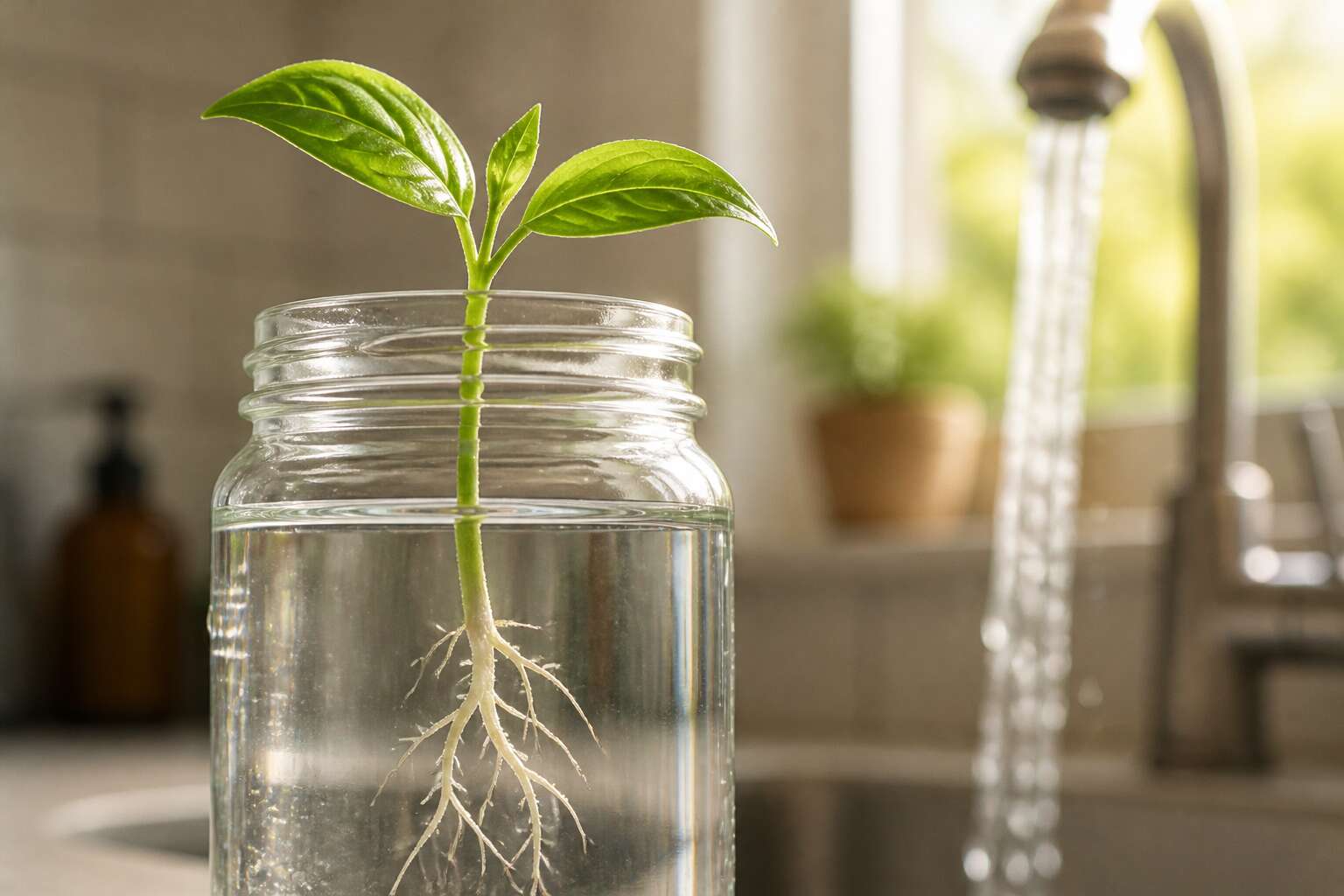
Understanding the Water-Energy Connection
Every litre of water pumped through South African pipes carries a hidden electrical cost. Treating, moving, and heating water devours a significant share of the country’s power. That is why water saving energy should matter to everyone, not just those watching their bills.
Here is the stark reality. The energy needed to supply one household’s water for a year can run a small flat for months. Cut your consumption, and you ease pressure on Eskom and your own pocket.
- Heating water dominates household energy use.
- Geysers lose heat continuously, even when idle.
- Two minutes less in the shower saves both water and electricity.
The link works in reverse. Power stations require water for cooling, and drought strains the grid. Recognizing this mutual dependency turns a simple act, saving water, into a powerful tool for energy resilience.
Daily Water Habits That Lower Energy Usage
Every morning, I watch my kettle burn electricity to heat water I never use. That waste adds up. In South Africa, where power prices strain households, trimming this waste matters. A full kettle for one cup is a habit worth breaking.
Small daily routines compound into real savings. Try this:
- Keep a jug filled for drinking instead of boiling repeatedly.
- Check washers and gaskets for silent drips.
- Switch to cold washes for most laundry loads.
These actions are water saving energy in practice. The geyser uses less electricity, your bill drops, and every drop earns its keep.
Efficient Fixtures and Appliances for Dual Savings
Each minute in a scalding shower drains both your water tank and your power meter. Efficient fixtures, however, reduce that waste. By pairing low-flow showerheads with insulated pipes, households can achieve dual reductions. The result is tangible water saving energy that lowers monthly bills without sacrificing comfort.
Consider these upgrades for a typical South African home:
– Install a pressurised low-flow showerhead to cut hot water use by half.
– Fit tap aerators that mix air into the stream, reducing flow while maintaining pressure.
– Choose a front-loading washing machine, which uses far less water per cycle than top loaders.
These changes compound over time, turning small adjustments into meaningful utility relief. Every drop saved is also a watt spared, so efficiency improves with each fixture.
Large-Scale Solutions for Communities and Industries
The numbers are stark. For every cubic metre of water South African municipalities lose to leaks, they also lose the electricity that moved it, the chemicals that treated it, and the labour that maintained it. Water saving energy is the most direct lever for reducing municipal costs and easing load shedding. I have watched this unfold in too many boardrooms.
Industries face the same logic with higher stakes. A beverage plant that recycles rinse water, or a mining operation that thickens tailings for reuse, can slash both water intake and energy consumption by double digits.
Large-scale solutions include:
- Pressure management systems that reduce flow during off-peak hours
- Biogas recovery from sewage treatment to power the plant itself
- Smart metering grids that expose leaks in real time
The tragedy is that many of these interventions sit idle in budget documents. The beauty is that water saving energy delivers a measurable, immediate return visible on the next utility statement.


0 Comments