
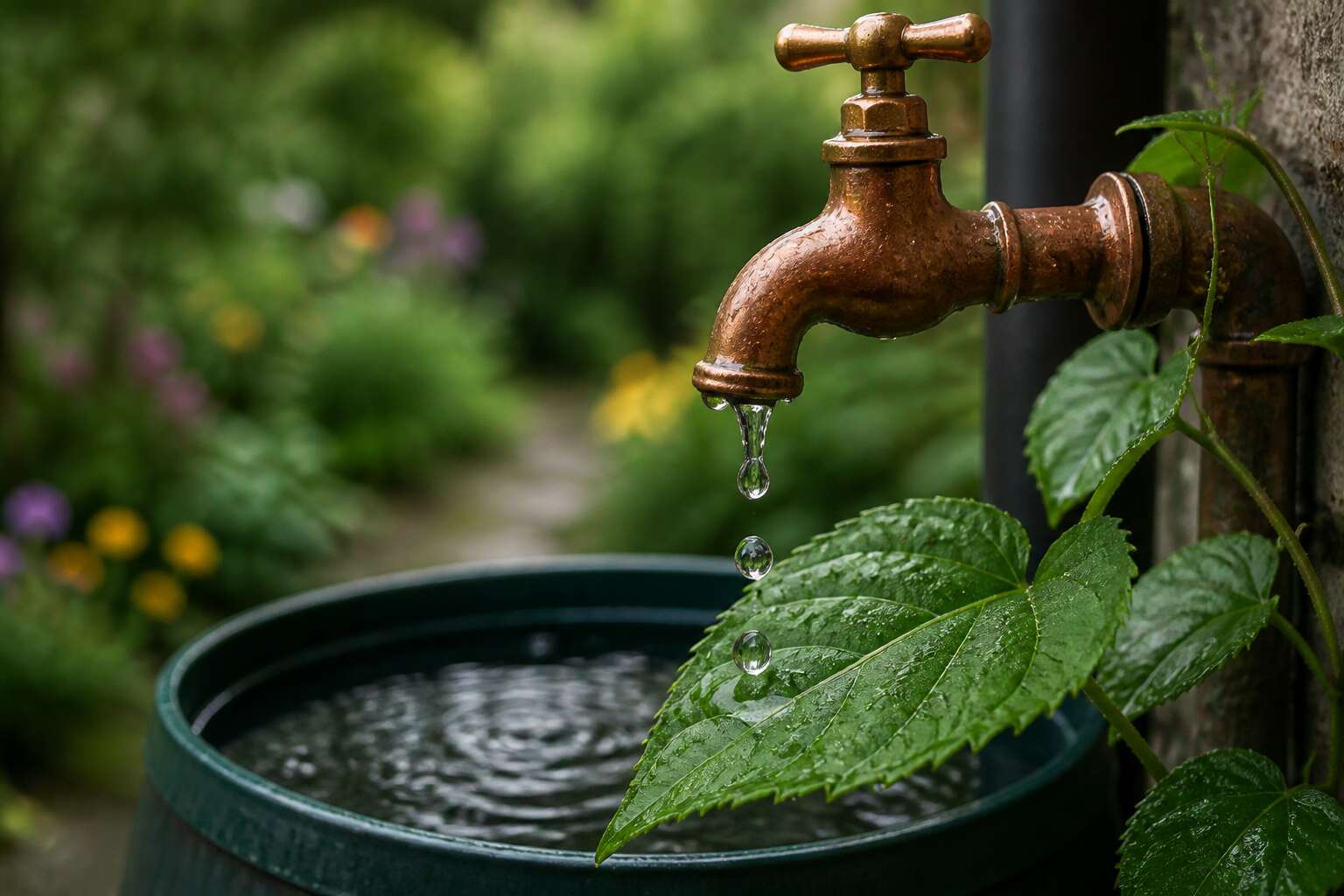
Understanding the Value of Water Conservation
Environmental Impact of Excessive Water Use
Water scarcity is already reducing agricultural output in the Western Cape. Every litre wasted in a home forces utilities to draw more from rivers and aquifers! Excessive water use degrades water quality, raises treatment costs, and destroys the habitats of freshwater species. The environmental damage comes in many forms:
- Depleted aquifers that take decades to refill.
- Increased energy use for pumping and purifying water.
- Drying wetlands that serve as natural filters.
Saving water for the dry months, for stressed ecosystems, and for future generations is a practical necessity. The value of conservation appears in the health of local watersheds, not in the balance of your monthly statement. I have watched reservoir levels drop below 20%, and unchecked demand leads to system failures with consequences already visible across the country.
Economic Advantages of Reducing Consumption
Every kilolitre you save reduces your monthly bill and eases municipal costs. South African water tariffs are progressive, so heavy users pay exponentially more. A shorter shower or a repaired leak can shift you into a lower rate bracket! The economic logic is simple: less consumption means less money spent.
The savings go beyond the home. Utilities recover costs through usage fees. When aggregate demand falls, operational expenses for pumping and purification drop, which helps keep tariffs stable for everyone. Consider the direct benefits:
- Lower water bills for households
- Reduced need for expensive new infrastructure
- Less electricity wasted on water delivery
Saving water for the long term defers capital projects like new reservoirs or desalination plants. These projects cost billions and take years to complete. Reduced consumption also lowers energy use, since pumping water is electricity intensive. The monetary advantages compound across communities, businesses, and the municipal balance sheet.
Addressing Global Water Scarcity
Two billion people wake up without safe drinking water. That is not a distant statistic. Global scarcity is a present reality, and South Africa experiences it in every dry season. Understanding the value of water conservation starts with this fact: water is finite.
We often treat water as an endless utility. But the value of saving water for the future lies in the security it provides. The less we consume today, the more remains for agriculture, industry, and households when rainfall fails.
- Forty percent of the world’s population already faces water scarcity.
- By 2040, global demand for water could outpace supply by 40 percent.
Conservation is not a private virtue. It is a public good. Saving water for our neighbours, for the next harvest, for the child not yet born. That is the true measure of its worth.
Strengthening Community Sustainability
In a country where taps run dry without warning, the community that conserves together stays hydrated together. Saving water for the common good transforms a neighbourhood from a collection of households into a shared system of resilience.
When every resident reduces usage, the municipal supply stretches further. That means fewer disruptions during droughts. The value of water conservation shows up in the places where people gather: school gardens, sports fields, and community clinics. These spaces depend on a steady supply, and they flourish only when everyone contributes.
- Lower collective demand prevents infrastructure strain.
- Reservoirs maintain levels for essential services.
- Local food projects continue through dry seasons.
Conservation is a pact between neighbours. Saving water for the next person’s needs builds a buffer against uncertainty. The effort is small, the return is shared. That is what sustainability looks like in practice.
Practical Indoor Reduction Tactics
High-Efficiency Bathroom Fixtures and Practices
A single shower can release more water than a person in Cape Town uses for drinking and cooking in an entire day. That reality makes the bathroom the primary area for saving water for households across South Africa. High-efficiency fixtures, such as aerated taps and dual-flush cisterns, alter daily water flow without demanding behavioral sacrifice. Replacing a worn toilet flapper stops a silent leak of thousands of liters monthly.
Mindful habits compound these gains. I have seen how a four-minute shower, a closed tap during toothbrushing, and a deliberate half-flush press reduce consumption. To implement these tactics:
- Install low-flow showerheads that maintain pressure while halving flow.
- Test toilets for leaks using food coloring.
- Keep a bucket in the shower to capture cold water for plants.
Each fixture and practice works together, turning an ordinary bathroom into a conservation asset.
Smart Kitchen Routines to Minimize Waste
The kitchen is where water goes down the drain while we rinse a single apple with theatrical devotion. In South Africa, smart routines are stubbornly unglamorous. I keep a ceramic bowl in the sink to catch spinach-washing run-off, then pour that cloudy water into a thirsty fern. Pasta water, cooled, waters the tomato patch. That is saving water for the garden without a single extra litre.
- Soaking pots instead of scrubbing beneath a running tap.
- Filling the kettle only to the line I need.
- Scraping plates into the bin, not the sink.
These habits borrow from thrifty grandmothers who knew water loss happens one careless drip at a time. No lecture required, just a little arithmetic and a willingness to let the tap rest.
Laundry Load Optimization and Appliance Choices
The laundry room is where water hides in plain sight. A standard washing machine can siphon off 50 litres per load, and in Johannesburg, that is a week’s worth of drinking water for a family. Saving water for your monthly budget starts here. Full loads only. That is the first rule, and it is non-negotiable. The half drum doubles the water per garment.
Appliance choices matter more than habit. Front loaders use up to 40 percent less water than top loaders. Look for the water efficiency label, not merely the shiny exterior. Eco cycles are slower but more efficient.
- Choose an inverter machine with a high star rating
- Use the half load setting only when truly desperate
- Skip the prewash; it is a luxury your municipality cannot afford
That is saving water for everyone involved, including the dam levels that keep the taps alive.
Detecting and Repairing Leaks Promptly
A single dripping tap can silently lose more than 20 litres each day. In Johannesburg, that water never reaches a glass or a garden. Most leaks announce themselves before they become catastrophic, if you know where to listen.
Under the sink, behind the toilet, water finds its way through worn washers and corroded pipes. A running toilet’s murmur is not a mere nuisance. It drains the municipality and your monthly budget. A water meter check before and after a dry two hours reveals hidden leaks.
Repairs are rarely complex. A new valve washer costs a fraction of the water it saves. Worn tap seats may need regrinding, and faulty flapper valves require a simple replacement.
- Residents who study their meter readings detect anomalies first
- Food colouring in the cistern reveals silent seepage into the bowl
- Dampness around exposed pipes signals corrosion beneath the surface
Each repaired leak is saving water for the household budget, the municipal supply, and the reservoir levels.
Upgrading to Energy Star and WaterSense Products
The Energy Star and WaterSense labels are not decorative stickers. They certify that an appliance meets verified thresholds for efficiency. For a household in Cape Town or Bloemfontein, these labels direct a decision. A certified dishwasher or washing machine uses noticeably less water per cycle.
Evaluate your current appliances against these criteria:
- Litres used per wash cycle
- Energy rating on the label
- Flow rate for connected fixtures
The difference between an old and a new unit is substantial. An upgrade touches the entire household demand. This is saving water for the upcoming summer months. Municipal reservoirs benefit from reduced pressure on their supply. The monthly statement reflects the change as well. A few adjustments, such as installing certified aerators, multiply the effect. What begins as a single purchase becomes a lasting household practice.
Outdoor Efficiency and Landscape Management
Irrigation Scheduling and Drip Systems
The afternoon sun over Johannesburg demands a deliberate conversation with your garden. Irrigation scheduling turns water use into a measured rhythm, not a guessing game. By watering in the early morning, you reduce evaporation and allow moisture to reach deeper roots. Drip systems deliver water directly to the root zone, bypassing wasteful runoff entirely.
- Match irrigation cycles to seasonal rainfall patterns
- Group plants with similar water needs together
- Check soil moisture before each scheduled run
Saving water for your landscape means prioritising roots over leaves and patience over impulse. Precise scheduling combined with drip technology builds resilience through even the harshest dry spells. Your garden becomes a study in efficiency, where every drop earns its place.
Selecting Drought-Tolerant Native Plants
Native plants have spent centuries adapting to the region’s rainfall patterns. They do not demand constant attention or constant water. Selecting them transforms your garden into a stable ecosystem that mirrors the surrounding bushveld or fynbos.
Common choices include:
- Aloe ferox for its drought storage
- Wild olive for its deep taproot
- Spekboom for its resilience in poor soil
These species reduce your outdoor demand dramatically. Every one you plant is saving water for the months when the dam levels drop and bare earth cracks. That alignment with natural constraints is the essence of landscape management.
Installing Rain Barrels and Greywater Systems
Outdoor efficiency demands more than reducing what we use. It asks us to harvest what falls freely from the sky. Rain barrels capture roof runoff, storing it for the dry months when saving water for the garden becomes a daily act of preservation. The math is simple, a single downpour can fill a 200 litre barrel.
Greywater systems take this further. They redirect water from your washing machine or basin into the landscape, bypassing the municipal drain entirely. For a suburban plot in South Africa, this can mean every rinse cycle nourishes your citrus trees. Consider these elements when installing a system:
- Soil type and drainage capacity
- Legal requirements for greywater reuse
- Filter quality to prevent clogging
The result is a closed loop where saving water for the future becomes part of daily living. These systems turn wasted outflow into a resource, aligning your home with the natural rhythm of the land.
Daily Behaviors and Family Engagement
Rewiring Your Morning and Evening Rituals
At dawn, taps run while teeth are brushed. That single act, repeated across millions of households, drains reservoirs before the day starts. By shifting brushing time and using a mug, families rewire the ritual. Children learn this early, turning the morning into a shared mission. Households across South Africa reshape these minutes through adjustments:
- Filling a basin to rinse razors instead of letting the tap run.
- Collecting cold shower water in a bucket for later use.
- Running a two minute timer to keep showers brisk.
Evenings bring another chance to save. Instead of washing dishes under a stream, families stack and soak. Laundry waits until full loads. This careful pacing ensures saving water for the next day’s needs. Saving water for the family’s evening routine becomes automatic. Each small adjustment becomes family lore that saves a few hundred litres weekly. What a quiet triumph against scarcity!
Fun Educational Activities for Children
A child who sees water as a treasure treats it differently. In South African homes, conservation becomes a game when children measure, track, and decide. These small experiments matter more than any lecture.
- Time a tap filling a bucket. Then let the child guess how many buckets a ten minute shower uses.
- Give children a notebook to record the water meter before and after family bath time.
- Assign each child a plant. Their job is to water it with a cup, never a hose.
The lessons stick because the activity is fun. Children begin to notice leaks and drips without being told. They start thinking about saving water for the garden, for the kettle, for tomorrow’s bath. Saving water for the family’s future becomes their own idea, not a rule imposed from above.
Monitoring Household Consumption Trends
In many South African homes, the water meter is read once a month, and the bill arrives as a surprise. Monitoring daily trends to pinpoint where saving water for the household matters most requires more than a glance. It demands shared habits that turn raw numbers into a family narrative.
Read the meter at the same time each evening. Log the figure on a chart or app. Over weeks, patterns emerge. A spike on laundry day, a rise after school hours. When everyone sees the data, saving water for the coming months becomes a collective decision, not a mandate.
- Track weekly usage per activity, like bathing or gardening.
- Compare same times last year to spot seasonal drift.
Children absorb these rhythms naturally. They begin to ask why the numbers jump. That question matters more than any resolution. Engaged families measure, question, and adjust together, making conservation a consistent habit.
Creating Friendly Competitions and Challenges
Families often respond to a shared goal with surprising energy. In Pretoria, a simple challenge to reduce shower time by one minute cut weekly usage by 12% in a single month. That is the power of friendly competition.
Create a weekly water budget for the whole household. Each member tracks their own usage. The one who saves the most without sacrificing hygiene earns a small privilege. Children especially thrive on these games.
- Run a “five-minute shower” challenge
- Track dishwashing speed
- Reward the smallest laundry load
This approach turns saving water for the family into a daily ritual, not a lecture. The numbers become personal.
Promoting Conservation at the Workplace
At a Johannesburg logistics firm, staff who tracked daily water use at home cut office consumption by 15% in two months. Their families contributed ideas, such as reusing cooling water from the breakroom kettle.
Workplace conservation thrives when daily behaviors mirror home rituals.
- Set a shared target for office sink usage
- Encourage staff to report dripping taps
- Celebrate monthly reductions with a small team reward
This engagement loop demonstrates that saving water for the company starts with personal accountability. Family engagement turns a corporate policy into a lived routine, as workers compare charts and cheer each other’s progress!
Involving Local Groups in Water Stewardship
When families join local stewardship groups, the act of saving water for the block becomes a shared language. In Cape Town’s southern suburbs, a neighbourhood forum mapped every communal tap and reported leaks within hours. The result was a 20% drop in municipal supply usage over one rainy season.
Members bring their own rituals to these gatherings. A parent might share how a basin catches rinse water. A child demonstrates a rain gauge. This exchange builds a communal practice that no ordinance can force.
A simple routine works:
- Adopt a nearby park or school garden
- Log weekly meter readings on a group chart
- Host a monthly repair clinic
These small acts turn water from a utility bill into a shared responsibility. The future of our water begins with neighbours who notice, together.
Leveraging Technology for Smarter Water Use
Smart Water Meters and Real-Time Tracking
In Johannesburg, a smart meter can tell you more about your water habits than your monthly statement ever will. Real-time tracking exposes the exact moments when consumption spikes, often revealing a running toilet or an overzealous sprinkler. These devices transmit data wirelessly, so you can check your usage from a phone while standing in the queue at the shop.
Municipalities are adopting this technology to shift from guesswork to precision. For example, residents receive alerts when usage exceeds their chosen threshold, allowing for immediate action. Saving water for a city like Cape Town requires understanding where every drop goes, and smart meters provide that clarity. They also help utilities identify system-wide losses without digging up streets.
- Track daily usage against your own historical averages
- Set personalised budgets and get real-time notifications
- Compare your consumption with similar households in your area
This feedback loop turns passive bill payers into informed participants. The data is straightforward, the interface is simple, and the impact is measurable!
Greywater Recycling Innovations
A typical Johannesburg household sends more than fifty litres of lightly used water down the drain each day. Greywater recycling has moved past the simple bucket in the shower. Modern systems filter and treat water from basins, washing machines, and showers, redirecting it to flush toilets or irrigate the garden. That is saving water for the household while easing pressure on municipal supply.
Compact treatment units with UV purification and smart sensing are becoming more affordable. They monitor water quality continuously and divert only the safe output. This innovation prioritises essentials like drinking and cooking while preserving everyday comfort.
Systems range from simple to fully automated, depending on the goal:
- A manual diverter for greywater that feeds the garden
- A filtration unit with a small pump for toilet flushing
- A fully automated system with remote quality monitoring
Advanced Low-Flow Fixture Designs
Modern low-flow fixtures have evolved beyond simple flow restrictors. Laminar aerators mix air with water to maintain pressure while reducing volume, and pressure-compensating valves adjust output even when supply fluctuates. These designs deliver a usable stream without the wasteful splash of older models.
Consider the quiet efficiency of dual-flush mechanisms and sensor-activated taps. They respond precisely to need, limiting runtime to seconds. Some showerheads now use pulsed airflow, creating droplets that rinse effectively at half the flow rate. This is saving water for every household without compromising comfort.
- Self-cleaning nozzles that resist limescale build-up
- Thermostatic mixing valves to prevent temperature fiddling
- Flow-optimised aerators with 5.7 litres per minute output
IoT-Enabled Leak Detection and Automation
In South Africa, 37% of municipal water vanishes through leaks before reaching a tap. That silent loss happens beneath pavements and inside walls, invisible until the bill arrives. IoT enabled leak detection changes this. Small sensors monitor flow patterns continuously, flagging anomalies that signal a burst pipe early.
Automated shutoff valves take this further. They respond to sensor data within seconds, isolating the problem zone and stopping the outflow while you sleep. This is conservation by control, not consciousness. Machine learning distinguishes a hose running from a pipe failing.
- Acoustic sensors listen for escaping water
- Smart meters transmit usage every 15 minutes
- Pressure sensors detect drops that indicate breaches
This technology is saving water for the next drought; households cannot afford to lose a litre to an unseen fault. The intelligence acts before the ground shifts or the ceiling stains. We gain visibility into our infrastructure, and the system protects its own resource.

0 Comments