
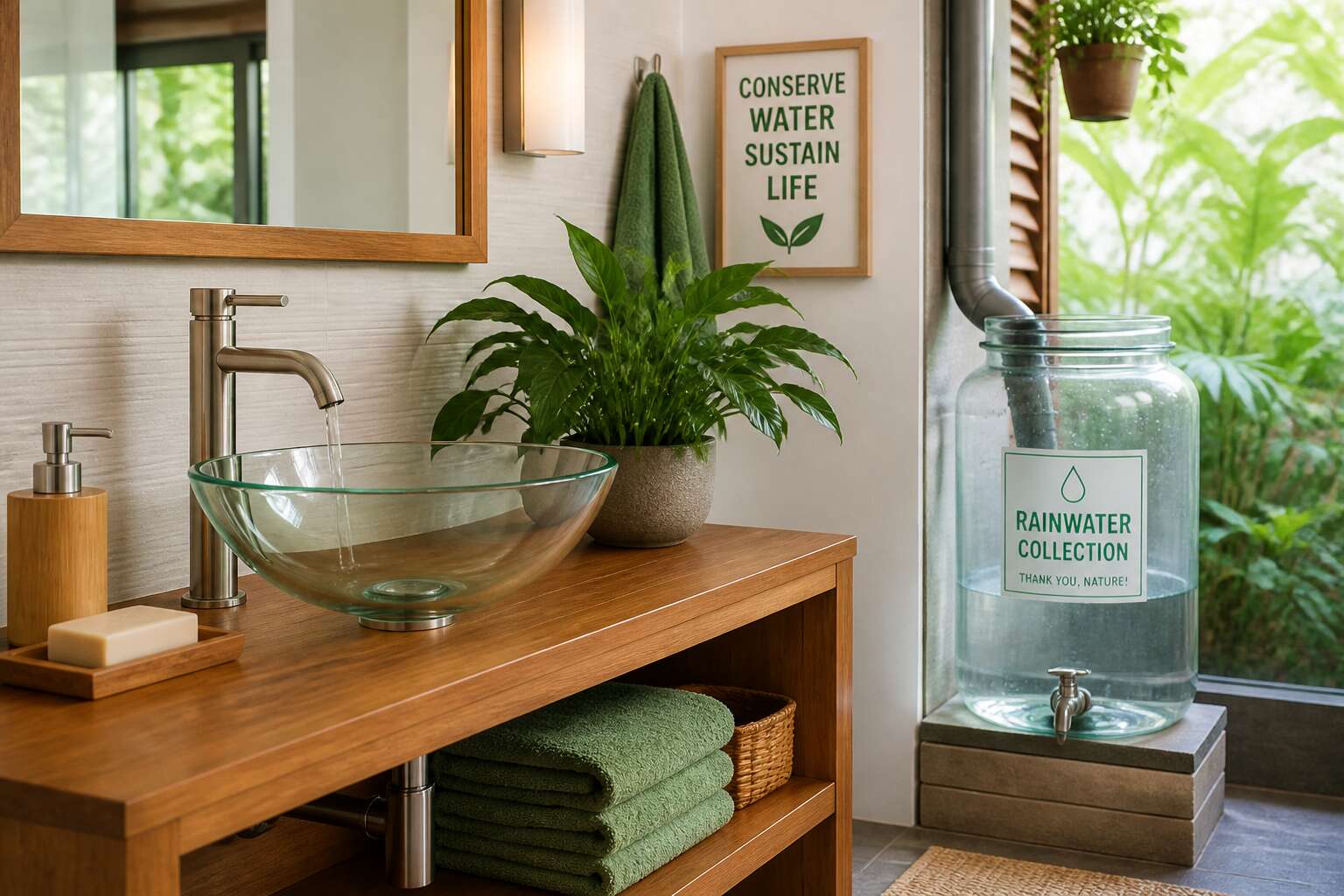
Understanding Household Water Consumption
The Hidden Cost of Daily Routines
Beneath the ordinary rhythm of South African homes, water recedes through gestures we rarely measure. A morning shower in Cape Town releases twelve litres per minute, a quiet stream vanishing into the drain. The tap dripping after midnight, the cistern hissing long past its flush, the sprinkler beading the lawn at dusk, each becomes a small betrayal of thrift.
- Brushing teeth with the tap running loses seven litres in two minutes.
- Half loads of laundry use the same volume as full ones.
- A leaking pipe can waste ninety litres daily, hidden within walls.
These fragments accumulate into a weight on the monthly statement. For many households, the path toward a water saving home begins with acknowledging this silent expenditure. The true cost is not merely the tariff, it is the water itself, dissolving into the architecture of daily life.
Measuring Your Water Footprint
Measuring household water consumption starts with a simple ritual. Read the meter at sunrise and again at sunset for seven straight days. The difference between those numbers, once repeated, reveals the daily water demand of your property. In South Africa, the average residence uses around 14 kilolitres each month, but individual patterns vary enormously.
- The main meter after all taps are closed to detect hidden leaks
- The garden hose outlet alone, timed during watering sessions
- The hot water cylinder outputs, tallied during morning showers
Those figures turn assumptions into evidence. A water saving home is built on measured data, not guesswork.
Common Leaks and Drainage Issues
In South Africa, a single leaking toilet can waste 4,000 litres per month. That is the equivalent of an entire family’s drinking water for a year. Such silent failures often go unnoticed because they happen behind walls, under slabs, or deep in the soil. They merely raise your meter reading and lower your sense of control.
- Worn rubber flappers that let water seep into the bowl unnoticed.
- Cracked drainage pipes that allow clean water to escape into the ground.
- Overflow pipes that discharge water continuously after a valve fails.
These are not abstract problems. They are physical evidence of entropy in your plumbing. Understanding these leaks and drainage issues transforms a passive observer into someone who grasps where every drop disappears. I cannot overstate how often these remain hidden. That awareness is the true starting point of a water saving home, not a gadget.
Retrofitting Efficient Plumbing and Fixtures
Low-Flow Showerheads and Aerators
Standard showerheads gush 15 litres per minute. In a household of four, that is a swimming pool every month. Replacing them with low-flow models cuts that volume by half without sacrificing pressure. The technology relies on Venturi principles, mixing air with water to maintain a consistent spray.
Aerators do similar work on taps. These small mesh inserts reduce flow to six litres per minute or less. They cost a few rand and screw onto existing threads. Retrofitting both fixtures is the simplest step toward a water saving home.
Consider what you gain:
- Lower water bills immediately
- Reduced energy use for heating water
- No change in daily comfort
Older homes often lack these fixtures. Retrofitting is a weekend job with basic tools. The effect on your monthly consumption is measurable within the first billing cycle. For any water saving home, this upgrade pays for itself quickly.
High-Efficiency Toilets and Flush Mechanisms
The toilet sits in your bathroom without much fanfare, yet it is the silent heavyweight of water use. Older models can swallow 15 litres per flush. That is more water than many households use for a full shower in other countries. High-efficiency toilets restrict that to 6 litres or less. Dual flush mechanisms give you a lighter option for liquid waste, which is most flushes in practice.
Retrofitting an old cistern with a dual flush valve costs little and takes an afternoon. No plumbing degree required. Just a wrench and some patience. The result is a measurable drop in your monthly usage. I have seen households reduce their water bill by a fifth with this single change. For a water saving home, the flush mechanism is one of the easiest upgrades to implement. It also does not degrade over time like other fixtures.
Check the flapper valve for leaks. A silent leak can waste thousands of litres. A simple food colouring test reveals it. If the colour seeps into the bowl, replace the seal. That is a weekend fix with a direct payoff.
Tankless Water Heaters and Pipe Insulation
Once the toilet is sorted, turn your attention to the pipes behind your walls. Retrofitting efficient plumbing and fixtures goes beyond swapping a tap. It means insulating hot water pipes so heat does not vanish before reaching the showerhead. A tankless water heater heats water on demand, which is a different philosophy from storage tanks that keep water simmering all day.
Consider how water moves through a water saving home:
- Hot water waits in insulated pipes instead of cooling in uninsulated ones.
- A tankless unit eliminates standby loss entirely.
- Smaller pipe diameters deliver faster hot water with less waste.
In a water saving home, every drop of hot water that arrives lukewarm is a measure of inefficiency. Retrofitting efficient plumbing and fixtures can cut the water wasted while you wait for warmth. Pipe insulation costs little and pays for itself in both water and energy savings.
Smart Leak Detectors and Shutoff Valves
In a typical South African household, undetected leaks can waste over 90 litres daily. That water vanishes into slabs and walls, silently. Retrofitting efficient plumbing and fixtures means installing pressure regulators and smart shutoff valves. These devices monitor flow patterns. When a toilet flapper sticks or a pipe bursts, the valve reacts within seconds. I have seen homes slash their municipal bills by a third this way.
Smart leak detectors add another layer of protection.
- Place them under basins and geysers.
- They send alerts to your phone.
- Some models integrate with automated shutoff systems.
Every litre saved in a water saving home matters. Combined with retrofitted fixtures, these sensors turn a passive house into an active guardian against waste.
Pressure Reduction and Flow Limiters
A typical South African geyser operates at 4 bar, yet many municipal lines deliver double that. That extra pressure strains every joint and seal. A pressure reducing valve trims the incoming supply to a practical 3 bar, lowering flow and extending fixture life.
Flow limiters work behind the wall, inside pipe branches to basins and showers. They cap output to a set volume per minute, regardless of upstream pressure. Static pressure of 6 bar feels fine at the tap, but hidden from view it erodes washers and accelerates corrosion. I’ve felt the immediate difference in homes that have installed them. A water saving home benefits from this quiet infrastructure; it prevents waste before water ever reaches a tap.
Water-Wise Landscaping and Outdoor Practices
Native Plants and Xeriscaping
Outdoor water use often escapes the attention paid to indoor fixtures. A suburban lawn in Gauteng or the Western Cape can drink more water per square metre than any showerhead or tap in the house. Xeriscaping changes that equation by replacing turf with a layered composition of indigenous succulents, ericas, and wild grasses. These plants have evolved alongside winter rainfall and long dry spells, so they survive without constant irrigation. A water saving home carries its efficiency into the garden, where the soil becomes the reservoir.
The arrangement matters as much as the species:
- drought tolerant varieties grouped by shared water needs
- a thick mulch blanket slowing evaporation and cooling root zones
- stormwater diverted from gutters into swales that recharge the ground
Native plants also invite pollinators and reduce the need for chemical amendments. The garden moves away from uniform turf to a living system, a clear sign of a water saving home that works with its climate.
Rainwater Harvesting and Storage
Rain falls on every roof in South Africa. Most of it leaves as runoff. A water saving home turns that runoff into a resource. Water wise landscaping begins with the ground. Compacted soil sheds water, so aerate it and add compost to improve infiltration. Group plants by their thirst, and water deeply but rarely. That simple schedule cuts evaporation losses.
Consider the path of rainfall across your property:
- Clean the gutters to keep debris from blocking the flow.
- Install a first flush diverter to discard the dirtiest initial water.
- Connect the downpipe to a storage tank with a sealed lid.
The stored water feeds the garden during dry weeks. It also reduces demand on municipal supply. This combined approach, careful landscaping and deliberate storage, is how a water saving home stays green without waste.
Efficient Irrigation Methods
Forty percent of irrigation water vanishes before it touches a root. In a water saving home, efficient irrigation methods make that loss unacceptable. The system becomes a conversation between soil and climate.
Drip lines offer a slow, measured release at the base of each plant. Soil moisture sensors read the actual dryness below the surface. Pressure regulators prevent the fine mist that wind carries away.
Watering schedules align with evapotranspiration rates instead of a fixed calendar. Shorter cycles let water penetrate deeper into the soil profile, reducing runoff.
Ground Cover and Mulching Techniques
Bare soil is a thief in any water saving home. It surrenders moisture to the sun within hours. Ground cover plants act as a living shield, their leaves shading the soil and their roots holding water in place. Mulching does the same work with materials.
I favour organic mulches. They break down slowly, feeding the soil while they protect it. A thick layer of wood chips or straw keeps the ground cool and damp. It also blocks weeds, which compete for every drop.
Choose the right cover for your climate. In South Africa, tough, drought resistant ground covers like vygies or wild ginger work well. The best mulches include:
- Compost: enriches soil
- Pine bark: long lasting
- Gravel: suits arid zones
Apply mulch after rain or irrigation. Keep it away from stems to avoid rot. Refresh organic layers twice a year. The result is a garden that needs far less water, season after season.
Smart Home Technology and Habit Shifts
Automated Water Monitors and Alerts
When Cape Town nearly ran dry in 2018, residents learned that awareness alone does not guarantee conservation. A water saving home requires constant feedback, not occasional reminders. Automated water monitors provide that feedback by tracking every drop in real time.
These devices attach to your main line and translate flow into readable insights. A sudden spike during the early hours might mean an irrigation fault, but it could also reveal a new household habit, such as a teenager’s late-night shower. The true power lies in the weekly summaries. You begin to see your own routines reflected in the numbers. In a water saving home, this feedback loop creates lasting habit shifts, not temporary fixes. That small shift in perspective often produces bigger savings than any hardware upgrade.
- Real time tracking of flow rates
- Pattern recognition across weeks and months
- Smart alerts that distinguish normal from anomalous use
Running Dishwasher and Laundry Cycles Efficiently
Running a dishwasher or washing machine without thinking creates avoidable water waste. Smart technology changes that by syncing cycles with your actual usage patterns. In a water saving home, you can program these appliances to run only when loads are full and during off-peak hours, which reduces both water and energy strain.
Modern machines also sense load size and adjust water levels automatically. That means a half load does not waste as much. To maximize efficiency, consider these habits:
- Scrape plates instead of rinsing them before loading
- Choose eco or express cycles for lightly soiled loads
- Run laundry only when the drum is packed, not just full
Habit shifts matter more than hardware. I have seen households cut water use by a third simply by changing when and how they press start. The real shift comes from treating each cycle as a conscious choice, not a routine.
Behavioral Changes That Save Thousands of Gallons
The quiet friction between what you know and what you do is where thousands of gallons vanish. A water saving home is not a set of fixtures; it is a living agreement with your own impulses. Smart devices reveal patterns, but your brain must choose to override them. I have seen a single person cut usage by a quarter simply by attaching a two minute timer to their shower routine. The technology amplifies attention, not water pressure.
Some shifts feel absurdly small:
– Checking a soil moisture sensor before watering, not after
– Setting a weekly reminder to read your usage report
– Placing a bucket under the tap while it warms up
These actions do not require courage. They require waking from the trance of convenience. The water saving home rewards that wakefulness, one quiet decision at a time. You do not need a moral overhaul. You need to notice the half litre you let run while lost in thought. That notice is the real valve that turns everything off.
Seasonal Adjustments and Appliance Upgrades
South Africa’s domestic water use spikes during summer, but smart technology can flatten that curve. The water saving home relies on sensors that read ambient moisture and adjust outdoor watering schedules without human input. This removes the guesswork from seasonal adjustments.
Habit shifts become quiet backups, not primary drivers. Pair your geyser timer with a weekly checklist.
- Set the geyser for 90 minutes before your morning shower
- Switch irrigation off entirely during the rainy season
- Run appliances back to back to reuse residual heat
These upgrades turn infrastructure into collaborators that work with your schedule, not against it.
Building Community Water Ethics
South Africa’s municipalities lose roughly 35% of treated water to leaks, but the quietest leak might be social: nobody talks about what they actually use. A water saving home shares its automation data with the street, not just the cloud. When neighbours see each other’s consumption curves flatten, thrift becomes civic pride instead of private sacrifice.
- Compare seasonal patterns with adjacent households
- Invite a suburb to run one laundry day on solar-generated hot water
- Use smart alerts to celebrate a street’s collective reduction
Technology makes the invisible visible. That visibility builds community water ethics, where the question shifts from “what did you use” to “what did we save.” Habit shifts then operate at block level, embedded in shared calendars and group notifications. The water saving home becomes a reference point for better governance, one data point at a time.

0 Comments