
Why Traditional Baths Waste Water
The Average Water Usage of a Standard Bath
Most households overlook the volume behind a standard soak. A conventional bathtub holds between 80 and 120 liters before you even settle in. The average bath session uses roughly 100 liters, while the same time under a shower might use half that. In South Africa, where municipal reservoirs dip low each dry season, this arithmetic carries weight.
- The tub’s footprint alone exceeds daily drinking needs for one person.
- Heating that water also consumes electricity, a linked cost.
Consider what fills the tub: the initial hot water, the top-ups to beat the chill, and the final rinse. Each adds liters without adding benefit. These numbers explain why a water saving bath starts with questioning the bathtub itself.
Environmental Impact of Excessive Water Use
A traditional bath wastes water long before the tap turns. The tub demands a fixed volume, regardless of need. You fill it to cover your shoulders, not to clean yourself. That single ritual can consume more than a week of drinking water for a person in Cape Town. The excess flows down the drain, carrying the energy used to heat it, a linked cost on the grid.
Excessive water use strains South Africa’s fragile supply systems. Every liter pulled for a bath is one not available for agriculture, industry, or ecosystems. When reservoirs drop, municipalities impose restrictions, and the cost of delivery climbs. A water saving bath eases that pressure.
- Untreated wastewater returns to rivers, burdening treatment plants.
- Energy demand rises with water heating, increasing carbon emissions.
The environmental impact compounds with each soak. Less water in storage means dirtier sources get tapped. The case for a water saving bath grows with every dry season.
The Cost Factor: Utility Bills and Water Waste
Every bath pulls a fixed volume from your supply and from your wallet. South African municipalities apply a stepped tariff, so higher consumption lands in a pricier bracket. A deep soak can tip you there before heating even starts.
That thermal load is the real cost. Electric water heaters carry a high wattage, and full tub depth multiplies runtime. The cost appears on two statement lines, water and energy, yet the waste is embedded in both.
Consider what a single traditional bath actually charges you:
- Mains water, often above your basic threshold.
- Sanitation fees, a percentage of metered water.
- Electricity or gas to heat the full volume.
These lines climb in tandem. A water saving bath trims the volume at the source, so every related charge drops. The saving shows up directly on next month’s bill!
How Bathing Habits Affect Water Consumption
Traditional baths rely on habit, not efficiency. You fill the tub to a familiar line, settle in, and the water stays at that level regardless of your actual need. The ritual is fixed, and so is the waste. Every soak demands the same volume, whether you bathe for five minutes or thirty, and none of that water returns to the supply.
Bathing habits amplify the problem. You run the tap until it feels correct. You top up when the water cools. You choose a deep soak because it is comforting, not because it is necessary. These small decisions stack quickly, and each one feeds the same outflow.
A water saving bath resets that default. It limits volume at the source, so your habits lose their edge. Audit your own routine:
- Do you fill to maximum automatically?
- Do you add extra hot water mid soak?
- Do you bathe daily out of ritual rather than need?
Every yes means more consumption, and a water saving bath removes that slack!
Smart Bathing Habits for Everyday Savings
Shorter Baths with Big Impact
A single extra minute submerged can cascade into nearly twenty litres down the drain, a sobering arithmetic for any household. We often treat bathing as a static indulgence, yet the steady trickle of a tap or the lingering soak creates an invisible ledger.
In South Africa, where municipal supply wrestles with demand, adopting a water saving bath approach shifts from personal preference to civic necessity. I have found that tracking the clock, not the steam, reveals the real cost. Even reducing your soak by three minutes each day saves roughly 5,400 litres annually per person.
For a practical shift, watch these cues:
- The depth of the plug, which sets your water volume baseline
- The warmth, which silently extends your stay
- The exact moment you decide enough, where the actual saving lives
Reusing Bath Water for Other Purposes
Your bathwater is a resource that most households discard without a second thought. That single immersion can exceed one hundred litres, and pouring it down the drain is a waste of both water and the energy used to heat it. The savvy homeowner sees this greywater as a tool for a genuine water saving bath routine that extends far beyond the tub.
I have made it a habit to keep a few large buckets beside the bath. When the plug is pulled, I divert the water instead of losing it. The first use is always for the toilet flush, which can consume up to a quarter of a home’s indoor water supply. After that, the water still holds value for cleaning tasks that do not involve drinking.
Here are the most effective routes for this second-hand water:
- Pour it into your washing machine for the pre-wash cycle
- Use it to mop hard floors and rinse patios
- Dampen dust with it before sweeping
For the garden, the water is a boon for established plants and trees. As long as you use mild, plant-friendly soaps, the bathwater delivers hydration to roots that would otherwise strain the municipal supply. This practice turns a singular, indulgent soak into the centrepiece of a broader water saving bath strategy. The water does not vanish; it works for you twice.
The Art of the Half-Full Tub
The water saving bath is a practical response to South Africa’s ongoing water supply challenges. Many households depend on municipal water that arrives with energy costs attached, and the average bath can consume over one hundred litres in a single session. The water saving bath method reduces that volume while still offering the physical and mental benefits of soaking in warm water.
One of the simplest ways to achieve a water saving bath is to fill the tub to a lower level. A bath filled to a third of its capacity uses far less water than a full tub. Bathers can still sit comfortably with water covering the lower body. A family of four can cut daily water usage by several hundred litres when each member adopts this approach. The water saving bath does not require a complete lifestyle change, only a shift in habit.
Another element of the water saving bath is temperature management. Hot water systems heat a storage tank regardless of how much water a person uses. By reducing the bath volume, the household also reduces the energy needed to heat that water. The water saving bath therefore lowers both water bills and electricity bills. This dual benefit matters in a country where utility costs have risen steadily over the past decade.
The water saving bath also creates an opportunity for reuse. The water from a bath, known as greywater, can be diverted with a simple bucket or a manual pump. This water can irrigate garden beds, flush toilets, or wash outdoor surfaces. A single water saving bath yields between forty and sixty litres of reusable water per person. When collected and applied to the garden, this water supports trees and shrubs without relying on the municipal supply. The practice keeps nutrients in the soil and reduces the demand on treatment plants.
South African municipalities have encouraged homeowners to install greywater systems that connect directly to the bath drain. These systems filter the water lightly and channel it to storage tanks for later use. The water saving bath becomes part of a larger household water strategy. A typical home can redirect several thousand litres per month through this method. The cost of a basic greywater diverter is modest compared to the long term savings on water bills.
The water saving bath also changes behaviour around other water uses. Once a household sees the volume of water collected from a single bath, members often become more conscious of their actions at the kitchen sink and the laundry. The water saving bath acts as a reference point for daily consumption. A person who knows that one bath yields enough water for two toilet flushes will hesitate before running the tap unnecessarily.
Climate patterns in South Africa have made water conservation a permanent feature of daily life. The Western Cape experienced severe droughts in recent years, and other provinces face similar risks. The water saving bath method is not a temporary measure during a drought warning. It is a durable practice that reduces the household footprint every day of the year. Municipalities have recognised this by offering rebates for homes that install water efficient fixtures, including bath restrictors that limit flow to the tub.
A bath restrictor is a small device fitted to the bath tap that caps the flow rate. The water saving bath with a restrictor fills more slowly, which encourages the user to turn off the tap once the desired level is reached. The device costs very little and takes minutes to install. It does not reduce water pressure for other uses in the home. The water saving bath works alongside these devices to create a comprehensive approach to household efficiency.
The water saving bath also supports the local economy by reducing the burden on infrastructure. Treatment plants process less water, pipes carry less volume, and energy generators burn less fuel. The savings accumulate across thousands of households. The water saving bath is a simple act that scales into a collective benefit for the region. Homeowners who adopt this practice contribute to the stability of the water grid without sacrificing comfort.
The water saving bath does not require special equipment or professional installation. A bucket beside the tub, a lower fill level, and a conscious decision to reuse the water are sufficient. The practice is accessible to every household regardless of income. The water saving bath is one of the most straightforward conservation methods available to the average South African family. It delivers measurable results in both the short and long term.
Monitoring Your Water Usage
Monitoring how much water actually goes into the tub requires nothing more than a marked bucket or a piece of tape on the side of the bath. Fill the bucket, pour it in, and mark the level. That simple measurement turns the water saving bath from an idea into a number you can track.
- Read the water meter before and after a bath, then subtract the difference.
- Repeat for a week to see how the daily volume fluctuates.
- Note the fill level that gives the most comfort for the least water.
Those readings reveal patterns: how the fill level changes with the tap open fully, how a busy morning rush adds to the total. The water saving bath becomes a daily record, and that record shows where adjustments matter most.
Adjusting Your Routine Based on Season
In South Africa, the shifting seasons directly influence how we approach the bathroom. A sweltering summer afternoon rarely calls for a deep, steaming tub, while a crisp winter evening often begs for more heat. The smartest way to save water is to let the thermometer guide your fill level.
- During summer, keep the water shallow. The aim is to rinse and refresh, not to submerge. You will use less water and still feel clean.
- In winter, reduce the soak time rather than the depth. A hot, shorter soak warms the body quickly, preventing the urge to top up the hot water.
Tailoring your routine to the season turns a standard chore into a conscious choice. I make this adjustment every few months, and it has become automatic. The result is an effective water saving bath practice that responds to the weather. This seasonally aware approach is the core of a smart water saving bath. A few centimetres less in summer and a few minutes shorter in winter add up to significant savings on your water bill.
Innovative Fixtures and Accessories That Reduce Water Use
Low-Flow Bathtub Faucets and Aerators
Water saving bath doesn’t require a complete overhaul of your bathroom. A simple aerator, a tiny mesh disc, can transform a standard faucet into a more efficient fixture. I recently installed one on my tub filler, and the bathroom now feels more efficient!
Low-flow bathtub faucets are designed to limit output to around six liters per minute. Aerators mix air into the stream, maintaining pressure while cutting water volume. These fixtures are inexpensive and easy to replace, making them a sensible choice for eco-conscious households.
Consider these innovations:
- Flow restrictors that cap the maximum flow rate
- Handheld shower wands with pause valves
- Temperature-sensitive nozzles that prevent overfilling
Each device contributes to a water saving bath routine without sacrificing comfort. The effect compounds daily, though you barely notice the difference.
Water-Saving Showerheads for Bath Enthusiasts
Across South Africa, showers consume nearly 40% of household water. A standard showerhead releases 15 liters per minute. Typical routines ignore this source. Modern water saving showerheads for bath enthusiasts change the equation. These fixtures atomize the spray into microdroplets. They maintain pressure while slashing flow to six liters per minute. I swapped my old unit last month. The difference felt negligible, yet my monthly consumption dropped noticeably.
Consider what makes these showerheads effective:
- Air induction chambers that entrain ambient air into the stream
- Flow restrictors calibrated for low pressure homes
- Thermostatic valves that avoid wasteful temperature adjustments
Each feature reduces the volume you send down the drain. A water saving bath can begin with this single upgrade. No behavioral change required.
Smart Bath Sensors and Flow Meters
Most of us never think about the water that vanishes before the first toe touches the surface. Over fifteen liters can disappear down the drain while you simply wait for the tub to fill to the correct temperature. This is not just about waste, it is about a quiet erasure of something precious. In the rural areas of the Karoo, where every drop is measured against the next dry season, this loss feels like a small tragedy. The technology to stop it, however, is becoming remarkably accessible.
Smart sensors now act as a constant, vigilant companion for your water saving bath routine. These devices clamp onto the side of the tub and measure the exact volume flowing through the tap. They deliver a live readout of your consumption, not in vague terms, but in precise liters. The awareness shifts your behaviour instantly. When you see the number climb past forty liters, you make a conscious decision to stop. It is a silent nudge that turns an abstract concern into a tangible number you own.
Flow meters take this concept further when installed directly into the pipework. They record usage over weeks, allowing you to see patterns you never noticed. You might discover that a weekly soak uses more water than a week of showers. That data becomes a tool for managing your household with intention rather than guesswork. These fixtures do not require a change in how often you bathe, merely how much you use when you do.
The practical benefits of these sensors extend beyond the immediate. For households relying on boreholes or municipal supply with pressure fluctuations, the data reveals much about the efficiency of your entire system. A sudden spike in flow might indicate a leaking valve or a running toilet elsewhere. You catch these problems early, saving money and frustration.
Installation for most of these devices takes under five minutes, requiring no special tools. You attach the sensor to the spout, and the screen rests on a nearby shelf. The best models offer a simple, clean readout.
– Dedicated bathtub faucet adapters that measure volume without restricting flow
– Wireless monitors that sync with a phone app, showing daily and weekly totals
– Temperature gauges with an alert function to prevent scalding while waiting
The ritual of a bath becomes quieter, more deliberate, with this knowledge. You are not just filling a tub. You are engaging with a choreography of supply and demand that reaches back to the dam wall and the underground spring. The water that fills your bath carries the memory of the land it came from. These small sensors connect you to that source, reminding you that a water saving bath is not a sacrifice, but a step toward living in sync with a dry and beautiful country. The tub becomes a place of reflection, both for the body and for the value of what sustains it.
Eco-Friendly Bathtub Designs
The water saving bath has evolved far beyond simple aerators. New fixture designs now capture heat and reuse greywater before it ever leaves your home. A drain with a built-in heat exchanger can recover up to 60 percent of thermal energy, making every soak measurably more efficient.
Eco-friendly bathtub designs take this further. Compact, deep-soak tubs hold less total volume while delivering the same immersion. Some models feature insulated shells that keep water warm longer, reducing the urge to top up.
- Thermostatic mixing valves that blend hot and cold supply efficiently
- Overflow-return loops that recycle excess bath water through a purification filter
- Angled backrests that allow full-body immersion in shallower water
These structural upgrades transform an ordinary tub into a true water saving bath without sacrificing comfort. The result feels indulgent, yet every litre serves a purpose.
Recirculating Bath Systems
Picture a long soak on a Highveld evening, the steam rising like a quiet secret. Yet, what if the water beneath you was not a one-time guest, but a resident? This is the promise of the recirculating bath system, a fixture that treats your tub as a closed ecosystem. A small, silent pump cycles the water through a compact filter, stripping away soap scum and skin oils. The water sparkles, refreshed and ready for another hour of immersion.
These systems are not about simply holding water; they are about giving it purpose. Consider the operational mechanics of a modern recirculating bath:
– A low-energy pump that moves 10 litres per minute, barely whispering in the background.
– A multi-stage filter with a UV light stage to neutralise bacteria without harsh chemicals.
– A control panel that allows you to set the exact filtration duration, preserving heat and water quality.
This is where the water saving bath transcends the ordinary. Instead of letting the warmth and the water run down the drain, you are challenging the very concept of waste. The water does not evaporate; it remains, a sustainable resource within your own sanctuary. The only fresh water added is to top up the level, a small gesture that turns a daily habit into a statement of mindful living.
Natural and Alternative Bathing Methods
The Benefits of Sponge Baths
South Africans know the weight of water restrictions. A standard bath can consume 150 litres, while a sponge bath uses less than five. This method, often associated with hospitals, offers a practical home solution. It is a water saving bath technique that respects every drop.
The benefits go beyond the meter. Sponge baths require no plumbing, no heating of a full tub, and no waiting. They are gentle on sensitive skin, using only the water you need. For people with limited mobility, this approach provides independence and dignity. It also makes bathing a mindful act, where each wipe is deliberate.
The toolkit is simple: a basin, a cloth, and warm water. That is all. In minutes, you feel clean, and the leftover water can nourish your garden. The sponge bath is a choice, not a compromise.
Using a Traditional Bucket and Ladle
In a country where every litre counts, the traditional bucket and ladle offer a reliable path to a water saving bath. South Africans facing restrictions know that a full tub is a luxury. Instead, fill a bucket with ten to fifteen litres of warm water. One ladle at a time, you control the flow exactly where needed, wetting your skin, lathering, then rinsing. This method uses a fraction of what a standard bath demands, and it takes no more than five minutes. The bucket sits on the floor, stable and easy to manage, even for older adults or those with limited mobility. You can prepare the water in a kettle if you lack hot plumbing, mixing to a comfortable temperature. For families, each person uses their own bucket, turning bath time into a shared, water-conscious routine. The ladle also lets you target dirty areas without soaking your whole body, which extends the water further. This is not a compromise; it is a practical adaptation. In Cape Town’s dry summers, households have returned to this method, proving that a water saving bath can be simple, effective, and respectful of the resource. No electricity, no complex fittings, just a bucket, a ladle, and a mindful habit. When you finish, that greywater can still serve your garden or toilet, but that is another step. For now, the bucket bath stands as a direct answer to municipal limits.
Steam Baths as a Water-Efficient Alternative
Steam baths offer a water saving bath alternative. A conventional bath consumes 150 litres or more, yet a steam session operates on 1.5 litres. The water heats into vapor, filling a small enclosure, and the body sweats off impurities. This method eliminates soaking entirely. For South African households, the appeal lies in direct water reduction without sacrificing cleanliness.
A typical steam bath requires a sealed space, a small electric boiler, anda timer. The boiler heats the water to a gentle steam. You sit inside for 10 to 15 minutes, letting the heat open pores. A quick rinse after is optional. Some users add essential oils for scent, though plain steam works equally well. The total consumption per session rarely exceeds two litres, making it one of the most efficient bathing methods available. This approach suits people who miss the warmth of a bath but cannot justify the volume of water. It also appeals to those with limited mobility, since sitting in a steam room places less physical demand than climbing intoa tub. In urban flats, a compact steam enclosure fits into a shower corner. For anyone weighing a water saving bath, steam deserves serious consideration.
Herbal Soaks with Minimal Water
Herbal soaks concentrate the ritual of bathing into a few litres. You could fill a standard tub with 150 litres of municipal water, or you could steep a handful of dried herbs in a pot and add that liquid to a shallow basin. The water saving bath logic is straightforward: the herbs supply the sensory weight, not the volume. A strong decoction of rosemary and rooibos gives the water colour, scent, and therapeutic compounds. You sit for fifteen minutes with your feet or lower legs submerged. This is not a full immersion, yet it leaves you feeling treated.
Several plants work well for this purpose:
- Rooibos offers a mild, earthy aroma and softens skin.
- Lavender relaxes the muscles and calms a racing mind.
- Crushed mint cools the body on a hot Highveld afternoon.
A muslin bag keeps the plant matter contained, and a kettle is enough to brew the concentrate. This version of a soak respects the body’s needs without draining the municipal supply. It suits anyone who wants the comfort of warm water without committing to a full bath.
Long-Term Home Upgrades for Water Conservation
Installing Greywater Recycling Systems
Cape Town’s 2018 water crisis reshaped how South Africans perceive scarcity. For the homeowner, the true value lies not just in the initial savings, but in the systems that offer permanence. A greywater recycling setup moves beyond the act of taking a water saving bath to create a closed loop where every drop is given a second purpose.
The plumbing required is distinct from standard drainage. Your bath water, known as greywater, is diverted from the septic line and filtered before reaching a holding tank. We can then repurpose this resource effectively for:
– Garden irrigation for fruit trees and shrubs
– Toilet flushing to reduce municipal demand
– Washing outdoor surfaces and driveways
The integration alters how we perceive our daily routines. That long, luxurious soak becomes input for the avocado tree in the backyard, not waste disappearing into the sewer. This shift requires an upfront investment and careful selection of biodegradable soaps, yet it solidifies a home’s resilience. While the initial tub run relies on fresh mains supply, the subsequent distribution of that same water yields multiple functional benefits. This is the quiet efficiency of a modern abode, where the water saving bath is no longer a single event but a continuous cycle of domestic utility.
Choosing a Compact or Soaking Tub
Many homeowners fixate on the immediate volume of a single soak, yet the true metric is the lifetime of the fixture. A standard tub can cycle through thousands of litres each year. Swapping it for a compact model alters that trajectory. A soaking tub offers the same restorative ritual without demanding the capacity of a traditional bath. The result is a water saving bath that aligns with long term home upgrades.
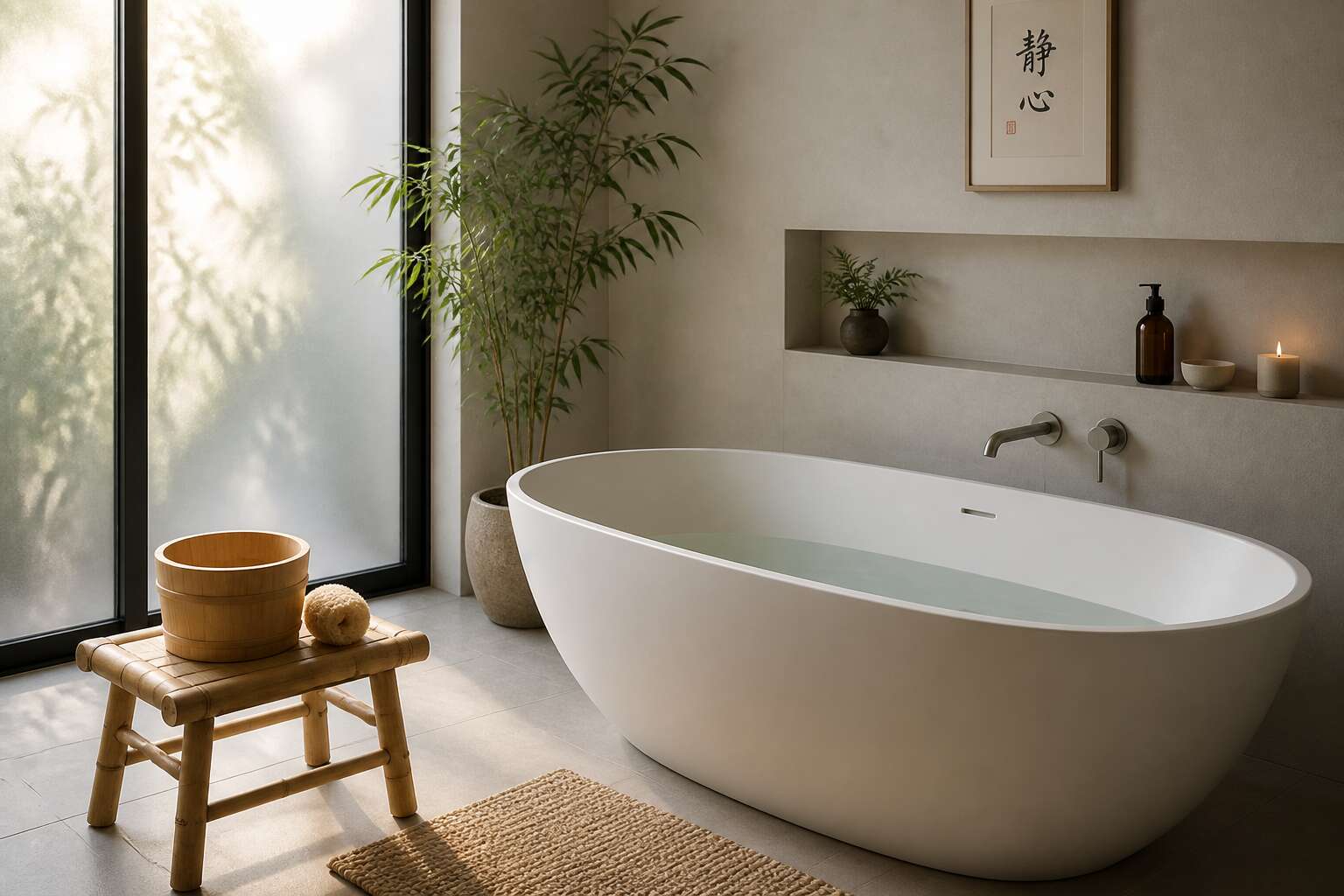
Consider your space and your frame. A Japanese style ofuro is deep but narrow, allowing full immersion with roughly half the water of a Western tub. Pair this with insulation to retain heat, and the water saving bath becomes a fixture that serves you for decades.
Key factors when choosing:
- Depth versus footprint: deeper tubs need less horizontal space
- Insulation quality for heat retention
- Material weight and floor reinforcement requirements
These choices transform a functional object into a permanent asset.
Rainwater Harvesting for Bathing
The promise of a water saving bath often stops at the fixture itself. Yet the most profound conservation begins where the plumbing meets the sky. South African homeowners increasingly look past the tap and toward the clouds, treating rainfall as a primary resource rather than a runoff nuisance.
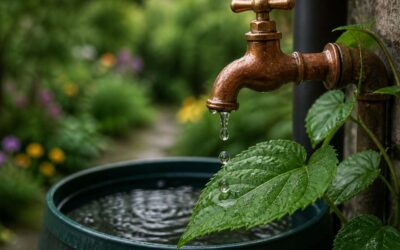
A well designed rainwater harvesting system does more than irrigate a garden. It feeds the very baths we take. This requires a filtration setup robust enough to handle particulates and microbial concerns. The storage tanks, often tucked beneath a patio or alongside the garage, hold the potential for dozens of soaks after a single good downpour.
The process itself is silent and automatic. It asks nothing of you beyond the initial installation. When the municipal supply pressure dips, or the water restrictions tighten during the dry months, the reserve is already there. You stop watching the meter spin during a bath and start watching the gauge on the tank. The ritual of bathing becomes a private act of resilience, measured against the reliability of your own infrastructure.
This is where the concept of a water saving bath becomes a permanent feature of your property. It is not a compromise. It is a reclamation of control over a precious resource. The bath becomes an event tied to the seasons, and the anxiety of a hefty water bill fades into the background hum of the pump.
Dual-Flush and Water-Saving Plumbing Integration
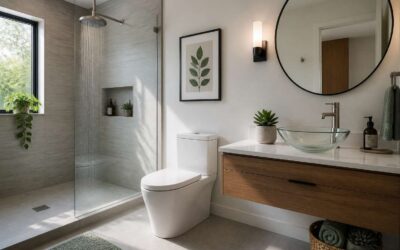
When I talk to homeowners in Cape Town about a water saving bath, the conversation rarely stops at the tub! The real gains come from retrofitting the entire bathroom. Dual-flush mechanisms on toilets cut flush water by half, and that matters because the bathroom accounts for nearly two-thirds of indoor water use. On a property with multiple bathrooms, the savings multiply.
The integration point is what most people miss. If you are already installing low-flow fixtures for a water saving bath, run the same supply line through a pressure regulator. That single change protects all downstream fittings and keeps flow rates honest. A few components worth inspecting during a bathroom renovation:
- Pressure-balanced valves that prevent temperature spikes without wasting water
- Manifold systems that let you isolate a bath feed separately
- Flow restrictors sized to match the tub’s actual fill time
These upgrades are not glamorous, but they turn a single water saving bath into a whole-house water strategy.
0 Comments