
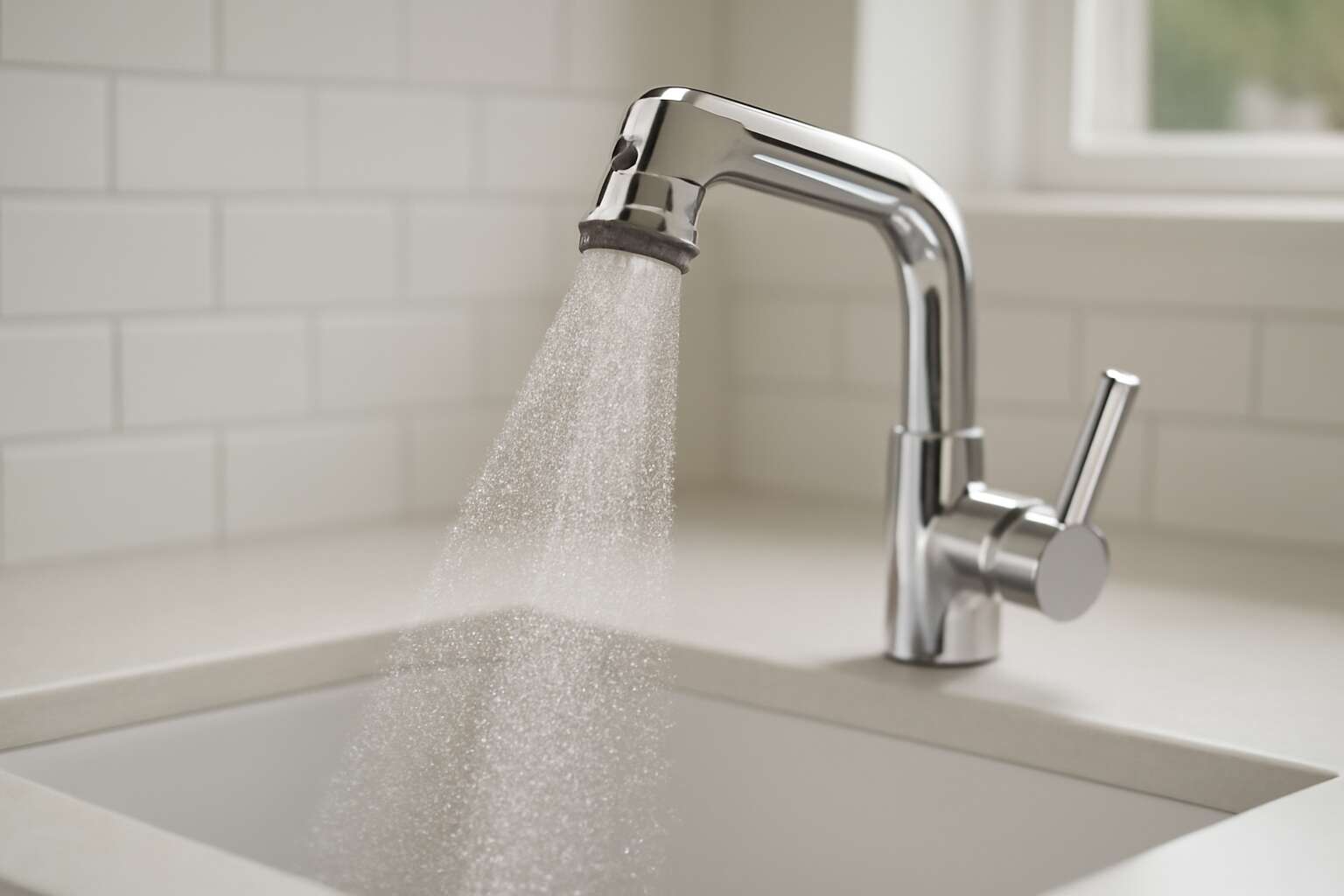
Understanding Water-Saving Features in Modern Homes
Why homeowners choose water-saving features
Water is the most democratic of resources—shared by all, saved by mindful hands. In South Africa, where droughts sharpen the edge of every tap, understanding water saving features becomes more than chic—it’s practical resilience. The idea invites a balance: comfort without waste, luxury without excess.
Modern homes embrace intelligent design that respects supply and demand. Low-flow fixtures, dual-flush toilets, and sensor taps cut consumption without dulling daily rituals. Rainwater harvesting and greywater reuse extend the value of outdoor spaces and reduce reliance on municipal systems. A well-chosen system works with weather, not against it.
- Low-flow taps, showerheads, and aerators
- Smart irrigation controllers that respond to rainfall
- Rainwater capture and greywater reuse
This is the essence of water saving features in modern homes. It’s not about deprivation but about designing moments when every drop counts.
Economic and environmental benefits
In South Africa, water is a rare coin that buys life and livelihood; households can trim water use by up to 30% with water saving features. When drought lingers, these systems turn routine chores into acts of prudent stewardship, blending comfort with conservation.
Economically, less draw means smaller bills and steadier household cash flows; environmentally, it eases pressure on municipal networks and the energy used to pump and treat water. The right choices become a quiet wind beneath a home, guiding usage without curtailing daily rituals!
Within this modern oath, a few quiet champions stand ready to serve:
- Efficient fittings and fixtures that align with gentle water demands
- Weather-aware watering schedules that nourish landscapes when needed
- Harvested rain or reused runoff supporting outdoor spaces
Key terms and definitions for water efficiency
Every droplet saved writes a small chapter of resilience in South Africa’s water-stressed homes. Understanding water saving features starts with a shared language that makes choices tangible. These terms shape daily comfort while easing the strain on municipal supplies.
- Flow rate: the volume of water used per minute; lowering it preserves pressure while trimming waste.
- Aerator: a small fitting at the faucet end that injects air to maintain spray with less water.
- Greywater: non-toilet wastewater from sinks and showers reused for irrigation or flushing where permitted.
- Rainwater harvesting: catching roof runoff to supply outdoor needs, reducing mains demand.
- Smart controller: weather-based irrigation adjusts timing based on forecast and soil moisture.
These terms lay the groundwork for practical water saving features in modern homes.
In this language, practical design choices become intuitive, blending modern living with prudent stewardship.
Choosing compliant and certified products
Across South Africa, households embracing water saving features cut indoor use by up to 40% when clever fixtures meet mindful habits. I wander through kitchens where taps hush to a whisper and showers glow with efficiency, and the home feels lighter—less strain on the grid, more resilience at the tap.
Choosing compliant and certified products anchors this journey. Look for recognition marks and independent testing that verify performance; SABS-approved fixtures and recognized water efficiency labeling provide credibility, not wishful thinking. The following criteria help guide selection:
- SABS approval or equivalent national certification
- Independent tests confirming flow rate and durability
- Manufacturer warranty and parts availability
In practice, these decisions translate into design that blends daily life with prudent stewardship: aerators that mediate flow, smart controllers that irrigate by forecast and soil, and rainwater harvesting that nourishes outdoor spaces. The result is a home that breathes resilience, where fixtures perform quietly and meaningfully.
Trends in water-saving technology
A whisper of efficiency is reshaping South African homes: water saving features turn everyday taps and showers into quiet allies. Across cities, households embracing smart fixtures and mindful routines report up to 40% lower indoor use, proving technology and daily life can dance in step.
Trends favor fixtures that vanish into daily rituals—low-flow aerators, sensors that adapt flow, and rainwater harvesting that nourishes outdoor spaces. The aim isn’t spectacle but harmony: performance that feels effortless, resilience that remains invisible until you need it.
- Low-flow aerators and laminar-flow taps
- Smart controllers for irrigation and showers
- Rainwater harvesting systems and greywater reuse
- Durable, clearly labeled fixtures with independent testing
These innovations invite designers and homeowners to embrace water saving features as a living system that blends form with stewardship.
Low-Flow Fixtures and Efficient Plumbing
Low-flow faucets and aerators
Across South Africa, every careful tap matters. A striking stat: households with low-flow fixtures can cut daily water use by up to 40%. Low-flow faucets and aerators redefine routine moments into acts of restraint without sacrificing comfort—the essence of water saving features in action!
Low-flow faucets coax air into the stream, preserving pressure while trimming volume. Aerators transform splashes into efficiency, delivering satisfaction with less drain on shared resources.
- Reduces water use without sacrificing performance
- Fits most taps and installs quickly
- Supports lower bills and conservation goals
These features reach beyond plumbing. They shape daily choices and the conscience we carry into kitchens and baths, quietly steering us toward a more sustainable rhythm.
Dual-flush and high-efficiency toilets
Every drop counts in South Africa’s enduring heat, and our homes are learning to listen. One striking stat: households with low-flow fixtures can cut daily water use by up to 40%. These water saving features redefine ordinary moments into mindful acts of stewardship!
Dual-flush and high-efficiency toilets blend comfort with conservation. A light flush handles liquids; a full flush tackles solids, delivering reliability with far less water per use. In rural and urban homes alike, they trim bill burdens and keep shared resources intact.
- Sharp reduction in waste through targeted flush options
- Compatibility with most existing plumbing
- Long-term durability and fewer repairs
- Quiet operation suitable for family homes
These fixtures become a quiet rhythm in daily life, shaping choices in kitchens and baths. In South Africa, where scarcity is part of everyday life, they stand as practical, compassionate investment—an honest step toward a future with water saving features woven into our stories.
Efficient showerheads and pressure management
South Africa’s heat writes long, thirsty days across towns and farms. A well-chosen shower can be a quiet, cooling ally in the morning rush. Studies show water saving features can trim daily use by up to 40%, turning ordinary moments into mindful acts of care for a scarce resource.
Low-flow fixtures and efficient plumbing hinge on showerheads that blend comfort with discipline over flow, and on pressure management that keeps a steady spray while taps elsewhere are active. Consider these touches:
- Variable flow rates that adapt to the moment
- Pressure-balancing valves that prevent sudden surges
- Efficient aerators that reduce litres per minute without sacrificing feel
Across rural kitchens and compact urban homes alike, these features offer reliability, lower bills, and more time to enjoy water’s cool comfort. Water saving features become a quiet promise in everyday life.
Water-efficient dishwashers and washing machines
South African households can shave up to a quarter off their water bill with modern dishwashers and washing machines! Low-flow logic meets domestic rhythm, because these appliances learn to sip rather than slurp, even under busy, sun-worn days. The right water saving features blend comfort with discipline, delivering spotless results while conserving scarce resources.
When shopping for efficiency at the heart of the home, look for these hallmarks:
- Soil-sensing cycles that tailor water to dirt level
- Load-sensing dosing that stops early when appropriate
- Eco modes with efficient spray patterns for minimal water
I’ve seen these changes ripple through households across towns and farms, powered by water saving features. In South Africa’s homes, these appliances stand as quiet partners—reliable, economical, and ready to turn routine chores into mindful acts of care for water’s fragile balance!
Leak prevention and pipe insulation tips
In SA’s drought-scarred reality, a single dripping tap wastes up to 15 litres a day—enough to fill a large bucket before lunch. That’s the kind of number that makes water saving features feel less optional and more essential.
Low-flow fixtures and efficient plumbing quietly do the heavy lifting, preserving pressure while trimming waste. For leak prevention and pipe insulation, think of a belt-and-braces approach that keeps water where it belongs—inside the pipes.
- Leak-detection and tight-fittings obsession that flag drips early
- Pipe insulation reduces heat loss and condensation, protecting the supply line
- Quality junctions and coatings that deter corrosion and hidden leaks
When South African homes embrace these water saving features, daily chores stay comfortable and the water table smiles!
Smart and Sensor-Based Water Management Systems
Smart meters and real-time monitoring
Across South Africa, households can cut water use by up to 30% with smart meters and real-time monitoring. Smart and sensor-based water management systems transform how water flows through a home, turning what used to be invisible consumption into actionable data. The concept of water saving features shifts from abstract ideal to practical habit, aligning daily routines with a cooler, more sustainable footprint.
- Real-time alerts for unusual usage
- Remote shut-off and leak detection
- Granular dashboards that track peak hours
With these tools, efficiencies become social and economic assets—not just numbers on a screen—and in South Africa, that connection to community resilience matters as much as the hardware.
Leak detection and alert systems
Leaks don’t just ruin plumbing; they ruin budgets. In South Africa, a single unnoticed leak can waste thousands of litres a year, turning a home comfort into a stealth tax on your tap!
Smart and sensor-based water management systems catch these culprits in real time. We’ve seen their power as they blend leak detection and alert systems with remote shut-offs and dashboards that translate hidden flow into obvious action.
- Instant mobile alerts when a drop rate spikes
- Remote shut-off to prevent a burst from turning into flooding
- Detailed dashboards showing peak hours and anomalies
With these tools, water saving features become more than numbers on a dashboard—they’re a practical habit that protects wallets and streams alike.
Auto shut-off valves and intelligent irrigation controllers
In South Africa, a single unnoticed drip can drain thousands of litres a year, turning comfort into a stealth tax on your tap! Smart and sensor-based water management systems turn these dramas into budget heroes—these water saving features are more than gadgetry.
They deploy auto shut-off valves that intervene at the first sign of a rogue drip and intelligent irrigation controllers that tailor schedules to weather, soil, and plant needs.
- Auto shut-off valves prevent leaks from turning into floods
- Intelligent irrigation controllers adjust irrigation to weather and soil conditions
- Real-time dashboards translate flow data into clear, actionable insights
In South Africa’s water-stressed landscape, these systems convert everyday routines into conscientious stewardship—an elegant blend of technology and habit that protects wallets and streams alike.
Water quality sensors and maintenance reminders
In South Africa, a whisper of waste travels far from the tap. A single rogue drip can silently drain a household’s budget, while smart sensors turn that risk into foresight. water saving features are more than gadgets—they’re a disciplined approach to stewardship, blending data with daily routines.
Smart and Sensor-Based Water Management Systems lean on water quality sensors to monitor parameters like EC, pH, and turbidity, ensuring plants and pipes stay in balance. Maintenance reminders nudge calibration and probe cleaning, keeping readings trustworthy even as seasons change.
- Real-time dashboards translate sensor data into clear, actionable insights
- Remote alerts flag anomalies before they escalate
- Predictive maintenance based on sensor traces reduces downtime
Together, these capabilities illustrate how technology and habit cooperate to protect wallets and water streams alike—clear evidence that efficiency can be elegant.
Data-driven optimization and ROI
Water is a finite asset, and in South Africa, even small leaks burn money. ‘Water is the new currency,’ a sustainability sage once quipped, and smart sensors turn that observation into practice. Real-time dashboards and maintenance reminders fuse data with daily routines, elevating stewardship from gesture to measurable ROI. In this landscape, disciplined choreography emerges.
Data-driven optimization makes ROI tangible for a single dwelling and a larger estate. These water saving features translate readings into savings:
- Clear, scenario-driven dashboards guiding irrigation and domestic use
- Proactive alerts that stop waste before it happens
- Maintenance forecasting lowering downtime and repair costs
With such alignment of tech and habit, ROI isn’t merely a number—it is a quiet, elegant efficiency that respects both wallets and water.
Outdoor Water Saving and Landscaping
Smart irrigation scheduling and soil moisture sensors
Cape Town’s drought years taught us to listen to the soil; a thirsty lawn is a loud shout for smarter care. Outdoor spaces reward patience, where water saving features become a quiet art—mulch, shade, and thoughtful plant placement working with the wind and sun. I watch the garden respond!
- Soil moisture sensors that read at root depth
- Weather data integration for evapotranspiration planning
- Zoned irrigation controllers that target beds and turf separately
Smart irrigation scheduling for landscapes in SA balances climate unpredictability with plant needs. Soil moisture sensors provide real-time insight, telling you when to water and when to pause. The goal is not scarcity but intelligent use—watering only what the soil truly requires, at the right time of day, in the right zone.
These considerations—embodied in water saving features—translate into healthier landscapes with less waste and more resilience under South Africa’s capricious rain cycles.
Drought-tolerant landscaping and planting choices
Cape summers burn dry, and every saved drop is a vote for resilience. In South Africa’s drought-prone climate, drought-tolerant landscaping can trim outdoor water use by up to 40% in peak dry months, turning water saving features into a living art that pays back with color and calm. I watch the garden respond, a slow exhale after a long drought!
Choose drought-tolerant plantings that create microclimates and seasonal rhythm. Native proteas, spekboom, aloes, and hardy ornamentals deserve a home where mulch, soil, and sun work together to conserve moisture.
- Protea species—dramatic structure, sun-loving, low irrigation
- Spekboom (Portulacaria afra)—water-storing shrub that supports bird life
- Aloes and agaves—architectural forms with minimal watering
- Strelitzia and daisies—colorful, resilient in warm climates
- Santolina and lavender—aromatic perennials that crave sun, resist dry spells
Placement matters: cluster drought-tolerant plants where shade and wind reduce evaporation, finish with mulch that cools and feeds the soil, and let the landscape reveal itself as water saving features that pay quiet dividends. I watch the early mornings reveal a garden that’s kinder to the taps—and prouder of its resilience!
Rainwater harvesting systems and storage
Outdoor water saving features aren’t folklore — they’re practical, visible proof that taps can stay generous and the garden happier. In SA heat, capturing every raindrop changes the game, letting lawns breathe a little easier and shrubs stay glossy even in droughty months. A well-placed rainwater harvesting system ties shade, mulch, and storage into a quiet, beautiful promise to the landscape.
- Guttering and downpipes to channel the flow
- First-flush diverter to keep debris out
- Weatherproof tanks or totes with secure lids
- Filtration and pump options for garden use
- Overflow and maintenance access
Rainwater harvesting systems and storage components add a practical backbone to outdoor spaces, turning each shower into a garden ally rather than a tap-draining foe. The result is a low-maintenance ecosystem that thrives when the clouds finally decide to visit.
Efficient sprinkler heads and zone zoning
In South Africa’s sun-scorched gardens, water saving features aren’t fantasies but a proven path—nearly 40% less outdoor water use when zone zoning and efficient sprinkler heads are deployed. Smart heads and zoning deliver precise irrigation, coaxing emerald lawns and thirsty shrubs to thrive without waste. Precision in distribution means less drift on pavements, less evaporation under the hot noon glare, and a garden that feels lavish while sipping modestly from the supply. These thoughtful choices weave efficiency into the landscape’s poetry.
- High-efficiency sprinkler heads with pressure-compensating nozzles
- Zone zoning that tunes watering to sun exposure and plant type
- Drip lines for borders, beds and trees to minimize runoff
Together, they anchor the yard in reliability and beauty, water saving features becoming a quiet promise that your outdoor space breathes easier when rain rests and taps stay generous.
Mulching and soil conservation for water retention
In South Africa’s sun-scorched gardens, every drop counts, and water saving features quietly redraw the map of resilience. Mulching and soil conservation turn thirsty patches into living, breathing spaces—cool roots, reduced evaporation, and a patient garden that sips moisture from the earth rather than gulping from the taps.
Mulching options that nourish soil texture and water retention include these popular choices:
- bark chips
- shredded hardwood
- pine needle mulch
- composted mulch
With the soil cushioned by organic matter, moisture is kept longer, roots stay cooler, and the garden breathes easy when rain falters.
Maintenance, Verification, and ROI
Regular audits and water usage benchmarking
South Africa loses billions of litres to leaks each year, so maintenance isn’t optional—it’s economic sanity. Practical upkeep keeps taps, pipes, and irrigation lines from dripping dollars away. Fix, test, repeat.
- Inspect all fixtures quarterly and replace worn washers
- Seal exposed pipes and insulate where needed
- Run irrigation checks and correct misaligned sprinklers
Verification is the watchdog of efficiency. Regular meter checks, sensor calibration, and cross-checks with bills uncover waste before it hurts the bottom line.
- Verify meter accuracy with a standard-volume test
- Calibrate flow sensors and data loggers
- Cross-check usage against weather and utility data
ROI and benchmarking prove the payoff. Regular audits and water usage benchmarks translate reduced flow into savings and higher asset value. When you quantify gains, the value of water saving features becomes crystal clear.
Leak detection techniques and fixing methods
South Africa loses billions of litres to leaks each year, a stubborn fact that turns maintenance from option into economic sanity. Maintenance isn’t a ritual; it’s a circuit breaker for wasted water and dollars. Inspect fixtures quarterly, replace worn washers, seal exposed pipes, and test irrigation lines. These water saving features come alive when hands-on upkeep meets smart detection.
- Acoustic leak detection and pressure testing to locate hidden drips
- Thermal imaging to spot envelope leaks on walls and roofs
- Dye testing or tracer methods to identify pipe or fixture leaks
Verification acts as the watchdog—regular meter checks, sensor calibration, and cross-checks with bills uncover waste before it harms the bottom line. Verify meter accuracy with a standard-volume test, calibrate flow sensors and data loggers, and cross-check usage against weather and utility data.
ROI and benchmarking show the payoff. Regular audits translate reduced flow into savings and higher asset value. When gains are quantified, the value of these measures becomes crystal clear.
Seasonal maintenance and product certifications
South Africa grapples with a staggering irony: billions of litres slip away every year, a stubborn reminder that maintenance is not a nicety but an economical shield. The drama of water saving features unfolds when discipline meets intent, turning ordinary upkeep into prudent stewardship of our scarce resources!
Seasonal maintenance reframes upkeep from chore to covenant with efficiency. Verification relies on standardized checks and calibration, and product certifications assure reliability across diverse installations. The following elements frame the approach:
- Seasonal maintenance cadence aligned with warranties
- Certification standards for safety, durability, and performance
- Data integrity through sensor calibration and records management
Ongoing ROI emerges as reduced consumption, asset value uplift, and steadier operations. When audits quantify savings, water saving features become a credible investment rather than an expense, turning sustainability into a strategic advantage for South African homes and businesses.
Cost savings calculations and payback period
Maintenance is not a chore but a covenant with efficiency. Seasonal upkeep keeps hardware aligned with warranties and ensures water saving features stay optimal when the season tests them.
Verification rests on standardized checks and precise calibration; data integrity comes through careful sensor calibration and meticulous records management, guaranteeing performance remains credible across diverse installations.
ROI and payback unfold when savings from reduced consumption and steadier operations are quantified. A clear payback period signals when the investment becomes a strategic asset.
ROI drivers include:
- Lower water bills from reduced use
- Extended asset life reducing replacement costs
- Greater property value through reliable performance
Code compliance and incentives for water-saving upgrades
South Africa loses an estimated 30% of water to leaks and inefficiency, a statistic that makes every saved liter a victory. Maintenance isn’t a chore but a covenant with efficiency; seasonal upkeep keeps hardware and water saving features performing when the season tests them.
- Regular fixture inspections
- Prompt sensor calibration
- Warranty-aligned component replacements
Verification rests on standardized checks and precise calibration; data integrity emerges from careful sensor calibration and meticulous records management, ensuring credible performance across diverse installations.
- Annual verification audit of meters and controllers
- Cross-checks against consumption benchmarks
- Comprehensive service history documentation
ROI and payback unfold when savings from reduced consumption and steadier operations are quantified. A clear payback period signals when the investment becomes a strategic asset. Code compliance and incentives for water-saving upgrades add tangible value.
- Municipal rebates for water-saving upgrades
- Tax allowances and depreciation
- Green financing and certification benefits

0 Comments