
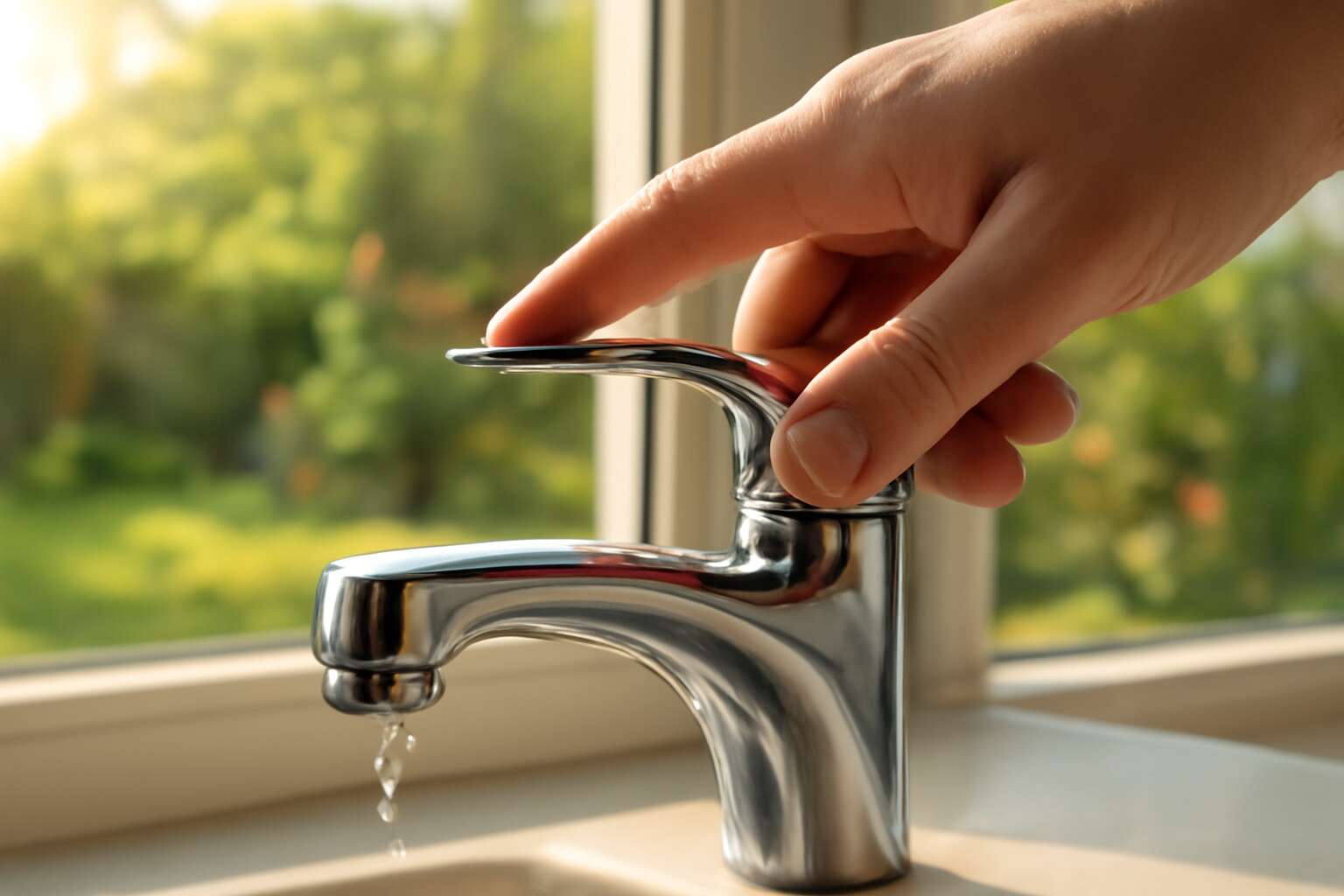
Why water saving matters in everyday life
Household water conservation benefits
In South Africa, drought wears a constant headline, and one study suggests up to 30% of municipal water is lost to leaks before it reaches your tap. The math is brutal, and so is the gesture of waste.
The importance of water saving reveals itself in everyday life—mindful routines and a garden tended with thrift. When water stays in the pipes, households see lower bills, less strain on aging infrastructure, and a steadier, more dignified daily rhythm.
- Lower utility bills and a lighter environmental footprint
- Reduced pressure on aging water infrastructure
- A more reliable supply during droughts and restrictions
I confess, that quiet discipline—refusing needless splashes and letting a full load do the work—speaks volumes about community and manners, especially when taps stay courteous to our shared future.
Environmental impact of reduced water use
In South Africa’s drought-prone landscape, up to 30% of municipal water vanishes before it reaches your tap. The punch of that statistic lands like a bell. The importance of water saving becomes a creed whispered through kitchens, gardens, and boardroom briefs.
When water travels from source to tap, it carries a heavy carbon shadow—the energy to pump, treat, and distribute it. Reducing use lightens that load, preserves rivers’ natural flows, and safeguards habitats that rely on steady, clean water. Every mindful action lowers the strain on scarce resources and elevates daily life from routine to reverence.
- Lower energy demand for pumping and treatment, shrinking the sector’s carbon footprint
- Less chemical loading and sediment disruption in waterways, protecting biodiversity
- More reliable downstream flows that communities and wildlife depend on
That awareness shapes choices, and I’ve learned that every drop counts—turning a simple day into a quiet, glamorous pledge to a shared future!
Economic savings from efficient water use
In South Africa’s drought-prone landscape, up to 30% of municipal water vanishes before it reaches the tap—a bell that rattles wallets and rivers alike. The importance of water saving becomes a daily creed, guiding choices from kitchen sink to boardroom, turning habit into responsibility.
Economic savings from efficient water use appear in quiet, measurable ways.
- Lower utility bills as water and energy use shrink
- Fewer costly repairs from leaks and overworked fixtures
- More predictable household budgets in drought-prone municipalities
Those outcomes show how prudent use translates into savings.
Beyond the ledger, those gains hum through daily life—the steadier rhythm of bills, the quiet relief of resilient systems, and a landscape where rivers keep their pace. This is not merely accounting; it is a quiet transformation of daily life—one that honours a shared resource.
Home water-saving strategies and fixtures
Low-flow fixtures and appliances
Tap into the truth of our time: water is a finite companion we misplace at our peril. In South Africa, this is not just about comfort—it’s a civic duty. I have seen households cut consumption by as much as 40% with smarter fixtures and calmer routines! This realization sharpens how we view every sink and shower.
Home water-saving strategies and fixtures reinvent daily life without deprivation. Low-flow fixtures and appliances are not gimmicks but new baselines; aerated taps, efficient showerheads, and quiet washers prove comfort can coexist with restraint.
- Aerated taps
- Low-flow showerheads
- Dual-flush toilets
The importance of water saving guides our choices.
Leak detection and repair
South Africa lives with the gut-level truth that water is borrowed, not owned; every drip is a policy debate and a dinner-table misdemeanor if wasted. Leak detection and repair stand as the quiet heroes of home management, turning potential losses into calm, almost aristocratic efficiency. In fact, some households have slashed their usage by as much as 40% with smarter fixtures and calmer routines. This reinforces the importance of water saving in daily life and design choices for urban households.
Home water-saving strategies and fixtures are only as good as their maintenance culture. Consider these outcomes:
- Early leak detection preserves pressure and extends fixture life.
- System audits reveal hidden drains and reduce invisible waste.
- Consistent repairs keep older homes from becoming money pits.
In the end, water stewardship is a refined social performance—subtle, witty, and essential. Our taps are instruments of responsibility, not guilt trips, and the quiet discipline of looking after water cascades through the economy, environment, and future.
Smart irrigation and outdoor water use
The importance of water saving isn’t a dry lecture—it’s a practical, city-tested habit for South Africans facing seasonal uncertainty. Outdoor watering often hides from the meter, yet it shapes costs and resilience as surely as any indoor fixture.
Smart irrigation brings that awareness out of the shadows. Weather-based controllers, soil moisture cues, and efficient drip lines tailor outdoor watering to need, while drought-tolerant plantings and mulch cut evaporation.
I see how a well-tuned system saves money and water, turning outdoor spaces into smart, respectful landscapes. Our taps become instruments of responsibility in a city where every litre counts.
Industrial and agricultural water conservation
Process water optimization
Globally, roughly 70% of freshwater withdrawals go to agriculture and industry, and every saved litre strengthens South Africa’s resilience in drought. This truth anchors the importance of water saving as a strategic asset for farms and factories navigating uncertain rainfall and tightening budgets. Small choices at scale become quiet revolutions in a thirsty world!
Process water optimization in industrial plants and large-scale agriculture means keeping water in the loop longer: capture, reuse, and treat streams so they recirculate with minimal makeup. The payoff goes beyond reduced intake; it fuels steadier production, better quality control, and lower energy costs from pumping and cooling.
Key focus areas for process water optimization include:
- Water recycling and reuse within cooling and processing loops
- On-site treatment and continuous quality monitoring
- Leak prevention and precise flow management in industrial and agricultural facilities
Water reuse and recycling in industry
South Africa lives in a drought-prone theatre, and every saved litre is a drumbeat toward stability. Globally, roughly 70% of freshwater withdrawals feed farming and industry—and in our climate, that load can tip fast. The importance of water saving is not virtue-signaling; it’s a business-critical lever that keeps farms fertile and plants humming when rainfall thins and budgets tighten!
Process water optimization means keeping water in the loop longer: capture, reuse, and careful treatment so streams recirculate with minimal makeup. In industry and agriculture, this tight loop reduces fresh intake, steadies production, and lowers energy spent on pumping and cooling.
Key strands at the industrial and agricultural scale include:
- Water reuse and recycling within cooling and processing loops
- On-site treatment and continuous quality monitoring
- Leak prevention and precise flow management
Irrigation efficiency and crop management
South Africa’s fields breathe on a timetable where rain and irrigation collide, and in drought-prone seasons a well-placed drip can spell harvest or heartbreak!
Globally, roughly 70% of freshwater withdrawals feed farming and industry, and the pressure only grows in our climate. The importance of water saving is not virtue signaling; it’s a business-critical lever that keeps crops thriving when rainfall thins.
Smart irrigation strategies cut losses: soil moisture monitoring, weather-informed scheduling, and precision delivery via drip systems.
- Soil moisture sensors tailor irrigation depth to crop needs
- Drip and micro-sprinklers deliver water directly to roots
- Deficit irrigation aligns water use with crop stage to protect yield
Crop management choices influence water use: drought-tolerant varieties, mulching to curb evaporation, and timing irrigation to match growth stages. The importance of water saving echoes through budgets and boardroom decisions, turning risk into resilience.
Policy, education, and community action for water saving
Incentives, pricing, and regulations
South Africa’s water crisis isn’t a fable; it’s a social contract waiting to be honored. The importance of water saving isn’t a slogan but a practical discipline that keeps taps flowing and wallets intact; estimates suggest urban systems lose a third to leaks and waste. Policy, education, and community action must choreograph this revival, turning households into stewards rather than tap-tappers.
- Incentives for rainwater harvesting, retrofit rebates, and municipal rebates for water-wise home upgrades
- Pricing that rewards conservation with tiered tariffs and affordable efficiency upgrades
- Regulations demanding prompt leak repair, smart metering, and transparent usage reporting
Education and community action shape the future: schools, neighborhoods, and workplaces can host water-sense days, monitor usage, and celebrate small wins. In South Africa, collaboration among municipalities, civil society, and business translates policy into practice, ensuring every drop counts.
Public awareness campaigns
South Africa’s water system is under pressure, and policy alone won’t fix it. Urban networks waste roughly a third of supply through leaks, a sobering statistic that demands action. Policy, education, and community action must choreograph a revival, turning households into stewards rather than tap-tappers.
Public awareness campaigns anchor the shift, telling residents why the importance of water saving matters and how to spot waste before it becomes a bill. To mobilize, consider:
- Localized media blitzes that translate technical data into daily decisions
- School and workplace challenges that reward real-world water efficiencies
- Community events with simple audits and leak-reporting kits
In South Africa, municipalities, civil society, and business must translate policy into practice, amplifying learning through dashboards, meters, and real-time feedback. The result isn’t merely conservation; it’s a civic habit, a common wealth, and a sharper bottom line.
Community rainwater harvesting initiatives
Policy, education, and community action must choreograph a revival, turning households into stewards rather than tap-tappers. In South Africa, where urban networks waste roughly a third of supply through leaks, policy must seed community rainwater harvesting as a practical civic ritual.
Education translates policy into practice. Schools, workplaces, and civic groups can embed water stewardship in daily routines, sharing simple data and celebrating milestones. This highlights the importance of water saving in the classroom, boardroom, and street corner alike.
- Municipal partnerships for permit-friendly guidance
- Community rainwater storage and maintenance clubs
- Real-time meters and dashboards for local pilots
Together, these currents of policy, learning, and local stewardship turn rain into resilience and civic pride.
Monitoring, reporting, and benchmarks
In South Africa’s urban arteries, roughly a third of water leaks away before it reaches a tap; embracing the importance of water saving is a civic duty masquerading as common sense. Policy, education, and community action must choreograph a revival that turns households into stewards rather than tap-tappers.
Policy and governance should seed permit-friendly guidance and robust municipal partnerships, creating room for practical rainwater initiatives to flourish. Monitoring, reporting, and benchmarks become the heartbeat of the pilot, keeping expectations honest and progress visible.
Education translates policy into practice. Schools, workplaces, and civic groups can weave water stewardship into daily routines, share bite-size data, and celebrate milestones with contagious enthusiasm.
Community action anchors the movement: rainwater storage clubs, neighborhood projects, and real-time visibility of outcomes.
- Real-time meters and dashboards for local pilots
- Community rainwater storage and maintenance clubs
- Permitting guidance and municipal support

0 Comments