
Defining Water Saving Mulch
What Makes Mulch Water-Saving
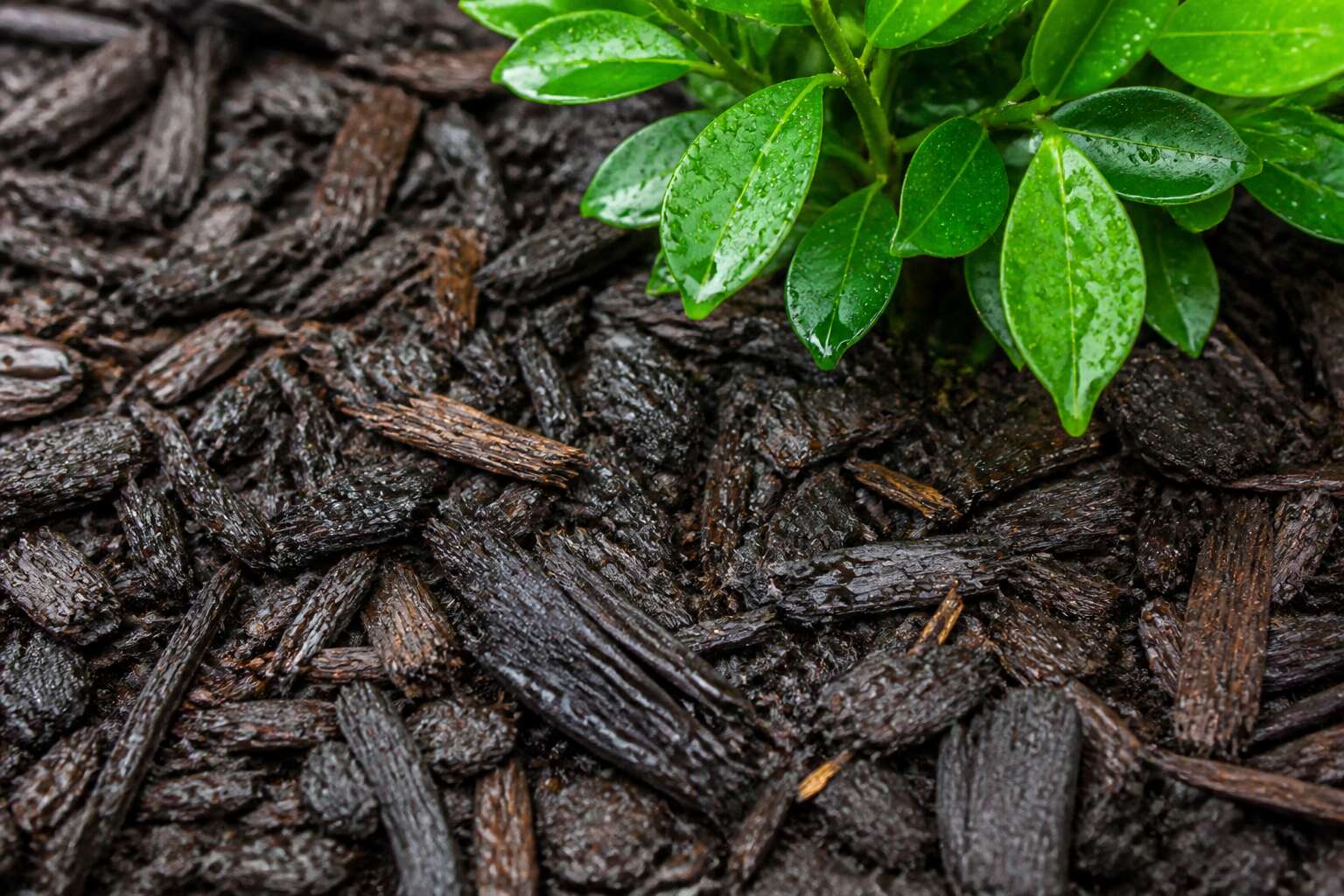
South Africa’s summers test even the most established gardens. So what is water saving mulch? It is a protective layer spread over soil that significantly reduces moisture loss. Unlike decorative bark, this material is chosen for its functional performance, its ability to buffer the harsh sun and slow evaporation. The key is how the mulch interacts with the soil structure.
A true water saving mulch works by several mechanisms:
– It blocks direct sunlight from baking the soil surface.
– It interrupts air movement just above the ground, reducing drying winds.
– It traps morning dew and condensation, directing moisture back into the earth.
– It prevents hardpan formation, so water absorbs instead of running off.
Organic options like straw and compost break down into humus, improving the soil’s water retention over time. Inorganic materials, such as gravel, retain heat but still cut evaporation. The difference is measurable in the amount of irrigation your garden demands.
Core Mechanisms of Moisture Retention
South African gardens can lose up to 90% of applied water to evaporation during a scorching January week. This is the problem that a proper water saving mulch directly tackles, acting as a living barrier between the precious moisture in your soil and the relentless atmosphere above.
A true water saving mulch modifies the microclimate at the soil’s surface. It functions as a complex system of defense, working to slow the escape of water vapor and maintain a stable, cooler root zone. This isn’t about aesthetics; it is about engineering a more resilient environment for your plants. The mechanisms at play are physical and measurable.
– Radiation shield: The material physically intercepts solar radiation, preventing the sun’s energy from heating the soil surface and driving off moisture.
– Windbreak: It disrupts the laminar flow of air over the ground, reducing the drying effect of hot, desiccating winds.
– Thermal blanket: By keeping the topsoil cooler, it reduces the temperature gradient between the soil and the air, which in turn slows the rate of capillary action and moisture wicking.
– Condensation trap: A layer of mulch captures atmospheric moisture and morning dew, holding it at the surface where it can seep back into the ground.
The choice between organic and inorganic options changes how this system behaves. Organic mulches slowly decompose, adding humus that improves the soil’s own ability to hold water. Inorganic materials, like pebbles, create a more permanent barrier but offer limited soil health benefits. Which description matches what is water saving mulch? The answer lies in how the material alters the physical forces of evaporation at the soil boundary, making every drop of water count for your garden.
Organic vs. Inorganic Water-Saving Options
I have watched Cape gardens surrender their moisture by noon, the soil fissured and pale. The remedy is not more water alone. What is water saving mulch? It is the shroud laid deliberately upon the earth, a material chosen to throttle evaporation at the soil’s surface, where the sun does its worst work.
Organic mulches, such as bark, straw, or compost, decompose over time. They feed the soil, building humus that hoards water near the roots. Inorganic mulches, pebbles or crushed stone, form a permanent barrier. They deflect heat but offer no sustenance to the ground.
The gardener’s decision rests on endurance:
- Organic layers need regular renewal but build soil fertility, so replenish them without fail!
- Stone barriers outlast seasons yet contribute nothing beneath.
That is the real answer to what is water saving mulch: a match between material and climate, nothing more.
How Water Saving Mulch Differs from Standard Mulch
Few gardeners realise that the term “mulch” covers two entirely different tools. Standard mulch is cosmetic, chosen for colour and texture. Water saving mulch is a moisture strategy, selected for how it traps humidity beneath its surface. The distinction matters in South Africa, where summer heat can evaporate every drop of irrigation by early afternoon!
Several characteristics separate water saving mulch from ordinary alternatives:
- Selected for water absorption rather than appearance alone
- Applied at a depth that shields soil from direct solar radiation
- Structured to stay porous, allowing rain to reach roots
What is water saving mulch, then? It is the product of deliberate choice. Standard mulch may fade or blow away. Water saving mulch remains in place, and in doing so, it holds the water that would otherwise escape the garden.
Key Terms and Metrics for Assessing Efficiency
Most gardeners cannot say whether their mulch actually works. I have asked many, and the answers are always vague. They spread the material, water it, and hope. Understanding what is water saving mulch demands measurable answers.
Key terms define the conversation. Water retention capacity measures how much moisture a material holds. Evaporation rate tracks how quickly moisture escapes. Porosity determines whether rain penetrates or runs off. Hydraulic conductivity describes the speed of water movement through the layer.
Three metrics matter most for assessing efficiency:
- Soil moisture differential, the gap between mulched and bare soil.
- Irrigation frequency reduction, the drop in watering sessions.
- Mulch depth consistency, because thin patches fail.
That is the practical meaning of what is water saving mulch. It is a set of numbers, not a bag of bark!
Primary Benefits of Water Saving Mulch
Reducing Evaporation and Soil Drying
In the Karoo, the ground cracks within days of a rainstorm. Let’s be practical about what is water saving mulch. Its chief benefit is interrupting the relentless process of evaporation. A thick layer blocks the sun’s heat from reaching the soil surface, so water isn’t sucked into the atmosphere before roots can drink it. Saving a few litres matters. Surviving a dry week without watching your plants wilt matters more.
- It cuts down your reliance on irrigation schedules.
- It stabilises soil temperature, preventing the extreme heat that kills delicate feeder roots.
This reduction in evaporation directly slows the drying process of the topsoil. When soil dries too quickly, it becomes hydrophobic, repelling water instead of absorbing it. To grasp the true value of what is water saving mulch, look at how it preserves this critical moisture.
Improving Soil Structure and Infiltration
A single raindrop strikes bare Karoo earth at 32 kilometres per hour. The impact shatters soil aggregates, compacting the surface into a seal. Water saving mulch absorbs that force. When I apply a thick layer, the soil beneath stays open and porous.
This structure matters. Mulch feeds earthworms and microbes. Their tunnels and casts create channels for water. Those channels bypass the crust that forms on unprotected ground. Infiltration improves as the soil develops stable aggregates.
What is water saving mulch? It is a soil builder rather than a simple cover. Here is what it improves underground:
- Aggregate stability from decomposed organic matter
- Root channels that persist after plant death
- Reduced surface sealing from raindrop impact
Infiltration rises. Roots drink deeper.
Moderating Soil Temperature Fluctuations
In the Karoo, soil surface temperatures can swing from frost to furnace within hours. That thermal violence forces roots into survival mode. What is water saving mulch? It is a moderating layer. When spread thickly, it shades the earth and traps a cushion of still air. The daily temperature cycle slows dramatically.
Under that protection, soil life keeps working. Earthworms don’t retreat. Root growth continues through hot afternoons and cold nights. Plants experience less shock, so transpiration stays steady. The mulch does not generate warmth or cold; it simply blunts the extremes.
This stability is critical in South Africa’s arid zones. A stable soil temperature means:
- Germination rates improve
- Young roots survive unexpected frosts
- Microbial activity remains consistent
Moderated temperature also reduces stress on water uptake. When soil overheats, plants lose water faster. Water saving mulch prevents that spike.
Suppressing Weeds That Compete for Moisture
Weeds are thirsty intruders. They steal water from your plants before roots can reach it. What is water saving mulch? It is a physical barrier that stops these competitors at the surface. A thick layer blocks sunlight from reaching weed seeds. Without light, germination halts. The seeds stay dormant.
Mulch also creates a difficult path for emerging shoots. They struggle to push through the dense material. This reduces the weed population over time. Fewer weeds mean more moisture stays in the soil for your chosen plants.
- Prevents annual weed seeds from sprouting
- Weakens perennial weeds by limiting their energy
- Cuts down the need for hand weeding
That saved water becomes available for deep rooted vegetation. In the Karoo, water is a precious resource. Suppressing weeds is a core function of water saving mulch.
Minimizing Runoff and Erosion
Rain falling on bare ground produces runoff. In the Karoo, summer storms deliver intense rainfall, and exposed soil cannot absorb it fast enough. Water pools, then flows across the surface, carrying topsoil and nutrients with it. What is water saving mulch? It is a layer that intercepts each raindrop, breaking its momentum before it strikes the soil surface. The water spreads out and infiltrates slowly rather than streaming away.
This changes the outcome after every storm. Erosion channels stop forming. Root systems remain protected. The water that would otherwise leave your land stays put, delivering moisture to the plants that need it.
Lowering Irrigation Frequency and Costs
Water for irrigation is a line item that grows every season. For a farmer or a gardener managing a Karoo property, the expense is not just the water itself. It includes the electricity to pump it, the labour to move pipes, and the time spent watching the sky. A layer of water saving mulch changes that calculation. By slowing evaporation and locking moisture into the topsoil, it extends the period between watering events. The soil stays workable and damp for days longer than bare earth. That translates directly into fewer hours running irrigation systems and a smaller municipal or borehole bill at the end of the month.
The savings accumulate with every cycle of watering. Consider what a single season of reduced irrigation demand provides:
– A measurable drop in total kilolitres used per hectare
– Decreased strain on pumps and timers, which means fewer repairs
– Less frequent need to replace sprinkler heads or drip lines damaged by dry, hard soil
– Lower energy consumption associated with water delivery
This is not about a minor adjustment. It is about changing the baseline demand of the landscape. When the mulch is maintained properly, the plants themselves adapt. They develop deeper root systems because the moisture is not just sitting on the surface. The financial relief of what is water saving mulch becomes apparent when the water bill arrives after the first hot month. The numbers tell the real story, and they favour the soil that is covered.
Types and Materials of Water Saving Mulch
Organic Mulches: Wood Chips, Bark, and Straw
Ask any gardener what is water saving mulch and they will likely point to a pile of wood chips. Wood chips and bark are the most common organic choices. They break down slowly, so they last. Pine bark has a pleasing aroma and survives Highveld thunderstorms.
Straw is another matter. It is lighter, cheaper, and easier to spread. It also blows away if you look at it sideways. But straw decomposes quickly and adds organic matter to sandy soils, a common problem in South Africa.
- Wood chips: slow decomposition, for paths and permanent plantings
- Bark: attractive, resists wind, lasts two years
- Straw: decomposes fast, ideal for seasonal veggie gardens
Consider your climate and crop. The real answer to what is water saving mulch depends on matching material to spot. Wood chips under fruit trees outperform straw on a windy Karoo farm; straw works in a sheltered Cape Town vegetable patch.
Inorganic Options: Gravel, Pebbles, and Rubber
Inorganic materials change the equation. Gravel and pebbles answer what is water saving mulch without any decomposition. They do not feed the soil. They do not break down. Instead, they create a permanent barrier against evaporation, reflecting heat back into the afternoon sky. On a windy Free State farm, a layer of gravel stays exactly where you placed it, decade after decade. Rubber mulch, shredded from old tyres, weighs even less. It holds no moisture whatsoever, yet it cushions the ground beneath jungle gyms and walkways.
- Gravel: heavy, stable, resistant to wind and runoff
- Pebbles: smooth, decorative, ideal for rock gardens and pathways
- Rubber: lightweight, long lived, perfect for high traffic areas
Each material brings a different answer to what is water saving mulch. Rocky soil in the Karoo prospers with pebbles. A suburban lawn near Durban handles rubber well. None of them improve soil structure, but all of them lock moisture into the ground beneath.
Living Mulches and Ground Cover Plants
“A weed is no more than a plant whose virtues we have not yet discovered,” mused Ralph Waldo Emerson. For the water-wise South African gardener, that virtue might simply be tenacity. Living mulches, the verdant carpets of the gardening world, answer what is water saving mulch by flipping the script entirely. Instead of a layer of dead material, you plant a low-growing, sprawling community that acts as a living shield over the soil. Their roots bind the earth, and their dense foliage creates a microclimate that stifles evaporation. The best part? They keep working, they look alive, and they don’t need replacing every season.
This approach is particularly brilliant for tricky slopes and the spaces between larger plants. Ground cover plants like the indigenous Dymondia margaretae hug the soil so tightly that they almost eliminate wind erosion. Others, such as wild garlic or various thymes, offer culinary perks while suppressing moisture-stealing weeds. A living mulch doesn’t just retain water; it actively builds soil structure, contributing organic matter as it grows and dies back.
Consider these heroes of the living mulch movement:
– Dymondia: A silvery, low-growing carpet that thrives in poor soil and handles foot traffic.
– Dichondra: Forms a dense mat of round leaves, perfect for shady spots.
– Dew Plant (Mesembryanthemum): A succulent ground cover that stores water in its leaves, tolerating extreme drought.
– Creeping Thyme: Releases fragrance when stepped on and attracts pollinators.
The choice between a stone mulch and a living one comes down to your goal. A stone mulch is static, a permanent fixture. A living mulch is dynamic, a self-regenerating system. When you plant a ground cover that spreads and thrives, you are no longer merely covering the soil; you are teaming up with it. For the regions where summer heat is relentless, this botanical partnership often proves to be the most resilient definition of what is water saving mulch. They create a self-sustaining cycle of moisture conservation that demands far less intervention than laying bark or hauling pebbles.
Specialized Products: Hydrogels and Moisture Retainers
Specialised moisture control goes beyond the surface, and this is where hydrogels and moisture retainers redefine what is water saving mulch. These synthetic polymers, often called water crystals, act as microscopic reservoirs. They absorb hundreds of times their weight in water, swelling when irrigation occurs and slowly releasing moisture back to the roots as the soil dries out. This mechanism is less about a physical blanket and more about a subterranean buffer against drought.
Products come in different forms. Polymer granules are mixed directly into the planting hole, which is strategic for vegetable gardens and newly planted trees. Moisture-retaining granules might contain organic additives like composted bark to improve soil texture. There are also hydrogel-coated fabrics used in container gardening.
For the South African gardener, where water restrictions are a reality, these agents offer a distinct advantage. They do not suppress weeds or insulate the soil, but they extend the interval between watering sessions. When you read about what is water saving mulch, this category is the quiet workhorse, reducing the psychological burden of a parched landscape. The technology is not a replacement for organic matter, but a supplement that offers control over hydration in a climate that promises uncertainty.
Choosing Based on Climate and Soil Type
Choosing the right material for what is water saving mulch demands a close look at your garden’s personality. Sandy soils drain water at an alarming rate. Coarser mulches like pine bark chips slow the escape. Clay soils cling to moisture with stubborn force. Here, lighter materials such as straw or composted leaves prevent waterlogging. Matching mulch to your climate is equally crucial.
For the Highveld’s summer thunderstorms, a heavier layer of stone or pebbles works beautifully! For the Western Cape’s dry summers, shredded bark retains moisture without suffocating roots. Let’s break down a practical selection:
- Sandy soil: coarse bark or wood chips
- Clay soil: straw or fine compost
- Coastal regions: salt-tolerant gravel
These choices address drainage and evaporation directly, turning mulch into a custom fit for your patch.
Applying Water Saving Mulch Effectively
Preparing the Soil Before Mulching
In South Africa, where summer downpours meet hard, baked earth, the true value of what is water saving mulch only appears once the soil beneath is ready. I have watched gardeners lay expensive mulch onto unprepared ground, and the results disappoint. The soil must be coaxed into cooperation.
A receptive bed possesses three qualities:
- A broken surface crust, allowing water to enter.
- Freedom from weed roots, which steal moisture.
- A thin compost layer, improving drainage and retention.
Without this groundwork, even the best water saving mulch stands idle. Preparation turns an ordinary layer into a working system.
Determining the Optimal Mulch Depth
Spreading mulch is not a random act. The way you lay it determines whether the soil drinks or repels. In South Africa’s alternating dry and wet seasons, even a well prepared bed can fail if the layer is too thin. Understanding what is water saving mulch means respecting the application as a deliberate layering process.
Depth matters more than most people assume. A layer of 50 to 75 millimetres works for most organic materials. Coarse bark and wood chips can go slightly deeper. Fine compost or manure should stay shallower to avoid smothering the soil. The goal is a consistent blanket that lets water percolate while blocking the sun.
Check the surface after a gentle watering. If puddles form, the layer is too dense. If water runs off, the layer is too thin. Adjust the depth until the moisture sinks steadily. That balance is the heart of what is water saving mulch in practice.
Proper Placement Around Plants and Trees
Placing mulch correctly around plants and trees is as critical as the depth. The common mistake is heaping mulch into a volcano against the trunk. This traps moisture against the bark, inviting rot and pests. Instead, leave a clear gap of 50 to 100 millimetres around the stem. This breathing room lets air circulate and keeps the crown dry.
For trees, spread the mulch in a wide ring that extends past the drip line. That is where the feeder roots live. What is water saving mulch if not a tool for covering the root zone, not just the base. A narrow ring misses most of the root system.
When you lay mulch around plantings, consider these placement rules:
– Keep the layer off stems and trunks entirely
– Extend the ring wider than the canopy spread
– Rake the mulch flat after a watering so it settles evenly
The balance between coverage and airflow is what is water saving mulch in practice. A thoughtful ring holds moisture where roots drink, while the uncovered stem stays dry and healthy.
Timing Your Mulch Application for Maximum Impact
When considering what is water saving mulch, timing is the overlooked variable. In South Africa, the best moment to lay it is just before the dry season, while the soil still holds residual moisture from recent rains. Applying it then traps that dampness. Waiting until the heat has baked the ground means losing part of the benefit.
Summer rainfall regions should mulch in late spring. Winter rainfall areas should mulch before the summer drought. Spread the layer after a thorough watering or a decent soaking rain, never on bone-dry earth. That timing gives the layer a head start against evaporation.
Replenishing and Maintaining Mulch Over Time
The true test of any water saving mulch lies not in its first application, but in how it performs months later. When spreading the layer, aim for uniform contact with the soil surface. Break up clumps and avoid creating thick mounds around stems, as those trap moisture against bark and invite rot. A steady hand matters more than speed. The layer should sit like a blanket, not a pile.
Replenishing that layer becomes the quiet ritual of maintenance. Organic materials decompose, slowly feeding the soil, but losing their insulating thickness. Check the depth every six to eight weeks. If the original 75 millimetres has shrunk to half that, add more. This is what is water saving mulch in practice: a system that demands attention, not abandonment. For an easier gauge, follow a simple sequence:
1. Scrape back a small patch with your fingers.
2. Confirm the soil underneath stays cool and slightly damp.
3. Add fresh material only when the existing layer feels loose and thin.
Neglecting this upkeep turns a water saving mulch into a dry crust that sheds rain rather than absorbing it. In South African heat, that difference decides which gardens survive February.
Common Misconceptions and Limitations
More Mulch Is Not Always Better
Many gardeners assume that piling on extra layers will multiply the benefits of what is water saving mulch. This misconception leads to a thick mat that behaves differently than intended. Instead of retaining moisture, an excessive layer can repel water during light rainfall, leaving the soil beneath dry and cracked.
Overmulching also creates a barrier that blocks oxygen exchange. Roots need air, and a dense, soggy blanket can suffocate them, especially after heavy summer storms. The result is shallow rooting and increased vulnerability to drought.
- Water runs off the surface rather than soaking in
- Fungal diseases thrive in constantly wet conditions
- Rodents find shelter under deep, undisturbed layers
So the next time you spread material, remember that what is water saving mulch works best at a modest depth. More is not always better, and knowing that limitation is part of the real definition.
Does Mulch Actually Save Water in All Regions?
In the Karoo, a thin layer of gravel works. On the humid KwaZulu-Natal coast, the same approach does little. That is the core limitation. What is water saving mulch for one region becomes a soggy nuisance in another. High rainfall, persistent cloud cover, and dense clay soils reduce the need for evaporation control. A Cape Town garden loses water mainly to sun and wind. A Durban garden loses it to runoff and decay.
Mulch cannot override these conditions. It works with local rainfall or fails against it. The real issue is not whether mulch saves water, but where it actually does. Regional expectations matter more than a universal answer.
Potential Drawbacks of Certain Mulch Types
A common misconception is that any mulch performs the same way. Fine bark can form a hydrophobic crust that repels rain. I have seen water roll straight off such a crust! Fresh wood chips may temporarily draw down soil nitrogen. These drawbacks rarely surface when homeowners ask what is water saving mulch.
Rubber shreds look permanent, but they absorb heat. On a hot Northern Cape afternoon, they can overheat the soil beneath. They also shed microplastics into the ground.
Some mulch types need extra caution:
- Fresh sawdust should be composted before spreading
- Grass clippings mat together and turn sour
- Dyed mulches may contain treated timber offcuts
Each material carries its own hidden trade-offs.
Interactions with Rainfall and Irrigation Systems
Rainfall in the Karoo arrives as a gift or a taunt, seldom as a steady hand. A common misunderstanding is that what is water saving mulch acts as a substitute for irrigation, a permanent shield against drought. No material performs that miracle. Instead, a good mulch layer mediates between the downpour and the soil, catching the water that falls and coaxing it downward. Without it, a hard, sunbaked crust sends water skittering away into a furrow, lost to the nearest drain. The mulch is not the water; it is the negotiator.
Irrigation systems demand their own set of adjustments. A sprinkler that throws a fine mist might dry out a thick bark layer before the moisture ever reaches the ground, while a slow drip line does its work invisibly beneath the surface. Consider a few signs that your system and your mulch are not yet in agreement:
–
- Water pooling on the mulch surface minutes after watering ends
- A dry, dusty layer beneath an apparently wet top crust
- Runoff streaming off the bed during a hard rain, even with mulch present
These all point to a hydrophobic layer, or a mulch depth too shallow, or a system that waters too fast. The mulch needs time, and the irrigation schedule must respect that tempo.
Addressing Myths about Mulch and Soil Acidity
The most persistent tale about what is water saving mulch involves the acid bog. Gardeners whisper that thick layers of bark or pine needles will turn their soil as sour as vinegar, poisoning every shrub in sight. The reality is far less dramatic. The pH shift caused by decomposing organic mulch is slow, subtle, and confined to the surface few centimeters where the mulch actually rots. Beneath that thin band of decomposition, soil chemistry stubbornly resists change.
The acidity myth depends on conditions that rarely exist in a home garden. Real acidification requires consistent, long-term application of specific materials, like pure peat or raw elemental sulfur, in large volumes. A standard wood chip layer used as what is water saving mulch generally fails to create lasting damage. Most Cape Town and Karoo soils are either too well-buffered or too alkaline to surrender their pH balance over one season. If you are still anxious, collect soil samples from beneath old mulch piles and measure the true values rather than relying on memories of garden lore.
When Not to Use Water Saving Mulch
Gardeners often assume what is water saving mulch behaves identically in every landscape. It does not. On a soggy Cape Flats plot, I have seen thick bark layers trap moisture against roots and accelerate rot. Drought-hardy fynbos and succulents prefer lean, dry soil, so a moisture-retaining blanket does more harm than good.
Wind is another factor. A light straw mulch on an exposed Karoo ridge will scatter before it ever suppresses evaporation. In fire-prone areas, flammable mulch creates a real hazard.
Skip the layer when:
- the soil already drains poorly
- plants require dry dormancy
- slopes face constant wind
Best Practices for Maximizing Water Savings
Combining Mulch with Efficient Irrigation Methods
Pairing mulch with efficient irrigation multiplies the payoff. Drip lines buried beneath a wood chip layer deliver water straight to the roots while the mulch captures any excess before it evaporates. In South Africa’s dry interior, this combination can cut outdoor water use by nearly half, according to local agricultural trials. The trick is syncing the two systems. Water in the early morning when air is still and cool, then let the mulch hold that moisture through the heat of the day.
Before you set a timer, probe the soil under the mulch with your finger. If it feels damp, skip a cycle. What is water saving mulch if not a buffer that forgives occasional overwatering? A simple schedule keeps everything aligned:
- Water deeply but less often
- Keep emitters clear of the mulch layer
- Adjust frequency as seasons shift
This rhythm reduces runoff and keeps roots steadily moist without waste.
Mulching in Combination with Compost and Amendments
Two handfuls of compost tucked beneath a mulch blanket can transform a thirsty patch of Karoo earth into a resilient sponge. What is water saving mulch if not the guardian of that underground chemistry? The organic layer above shields the decomposed matter below from the brutal Highveld sun, allowing microbial colonies to flourish without desiccation. As those microbes break down compost and aged manure, they secrete polysaccharides that bind soil particles into stable aggregates, creating microscopic channels where water lingers for days.
Applying this combination demands a deliberate order. Lay down a thin scattering of compost first, then cover with at least 75 millimetres of bark or wood chips. The mulch keeps scavenging insects from carting away the rich amendment while also preventing a hard crust from forming on the surface.
– Earthworms migrate upward to process the compost and aerate the ground
– Root systems grow denser as they access steady nutrient release
– Fungal networks extend further through the loosened profile
For sandy coastal gardens, mix in a palmful of bentonite clay per square metre before mulching. For heavy clay inland soils, add gypsum to improve percolation. These amendments, sealed beneath a water saving mulch layer, magnify every drop of irrigation. The soil becomes a reservoir with a lid on it, and your plants draw from that reserve long after the borehole pump falls silent. This partnership between mulch and amendment is the quiet engine of drought resistance.
Seasonal Adjustments for Mulch Thickness
The seasonal rhythm of South Africa’s rainfall demands a dynamic approach to mulch depth. What is water saving mulch if not a tool you adjust as the calendar turns? During the scorching Highveld summer, insist on a full 100 millimetre blanket. The thicker layer intercepts the punishing noonday sun and holds every drop of a late afternoon thunderstorm close to the root zone.
Winter in the Western Cape tells a different story. Cool, wet conditions mean a thinner layer, around 50 millimetres, allows the soil to breathe and prevents waterlogging. Adjusting thickness seasonally is the quiet art of water stewardship.
- Thin the mulch before winter rains to avoid fungal pressure
- Build it up before summer heat arrives, not during
- Check depth after heavy storms that may wash material away
Monitoring Soil Moisture Levels with Simple Tools
To understand what is water saving mulch, you must observe what happens below the surface. I prefer a simple moisture meter or a steel soil probe; it gives you the truth that surface inspection hides. The top layer may look dry while the root zone holds plenty of water, so always test at depth.
A wooden dowel pushed into the soil works just as well. It comes out dark and damp where moisture lingers. Check in the morning before irrigation, and again after heavy rain, to track how the mulch performs.
- Test at the root zone, not the surface
- Use the same spots each week for consistent readings
- Record results to spot drying trends early
This simple habit turns mulch into a precise water management tool.
Regional Guidelines for Arid, Temperate, and Tropical Climates
Regional climates demand their own mulching rituals. In arid regions, water saving mulch blocks brutal evaporation. Lay down coarse stones or bark chips, then irrigate before the ground dries. In temperate zones, rainfall does half the work. A thinner layer of shredded wood prevents weeds and holds moisture without suffocating roots.
When you ask what is water saving mulch in practice, the local weather dictates the answer. Tropical climates require fast drainage above all else. Use coarse, chunky material so heavy rains penetrate instead of pooling on the surface. Replenish often, because heat accelerates decomposition.
- Arid: thick, reflective mulch to retain scarce water
- Temperate: balanced depth of roughly 5 to 8 cm
- Tropical: loose, coarse textures to avoid waterlogging


0 Comments